




Table of Contents
ToggleClutter creeps in fast, a few clothes here, holiday decorations there, and suddenly you’re shuffling through piles to find anything. White storage bins have become the go-to solution for homeowners who want clean organization without sacrificing style. They blend seamlessly into any décor, stack efficiently, and turn chaos into order. Whether you’re tackling a bedroom closet, kitchen cabinets, or a basement corner, white bins provide flexibility and a finished look that built-in storage often can’t match. In this guide, we’ll walk through choosing the right bins for your space, how to use them room by room, and styling tricks that make them disappear into your design rather than stand out as obvious organization.
Key Takeaways
- White storage bins recede seamlessly into any décor while offering flexibility to move between rooms as your needs change.
- Plastic bins excel in moisture-prone areas like basements and bathrooms, while fabric bins work best in dry closets and bedrooms.
- Match white storage bins by height and size when displaying on open shelving to create a collected, intentional look rather than scattered clutter.
- Label bins clearly and keep them only 75 percent full to maintain a functional organization system that stays easy to navigate.
- Plastic bins with reinforced corners and secure lids provide better durability than cheaper alternatives that warp or crack within a year.
- Strategic bin placement—under beds, on closet shelves, or tucked beside dressers—ensures white storage bins blend into your space rather than dominate it.
Why White Storage Bins Are a Game-Changer for Home Organization
White storage bins solve a problem every homeowner faces: keeping stuff out of sight without making your space feel cramped or cold. Unlike dark bins that demand visual attention or clear containers that broadcast their contents, white bins recede into shelves, closets, and cabinets. They work in minimalist spaces and traditional homes alike.
The real win is flexibility. A white bin in your linen closet today can migrate to under the bed tomorrow if needs shift. Stacking is straightforward, most designs nest or stack flush without wobbling. And because white is the ultimate neutral, mixing bin brands and styles creates a cohesive look rather than a mismatched jumble.
There’s also a practical durability angle. White plastic ages more gracefully visually than dark colors: dirt and dust show less. Fabric bins in white resist looking dingy between washes. The color choice isn’t just aesthetic, it’s a practical solution to the hidden wear that comes with regular use in busy homes.
Types of White Storage Bins and How to Choose the Right One
Before you buy, nail down what you’re actually storing and where the bin lives. Seasonal coats need a different solution than paperwork. A bin in a climate-controlled bedroom closet behaves differently than one in a damp basement.
Plastic Vs. Fabric Options
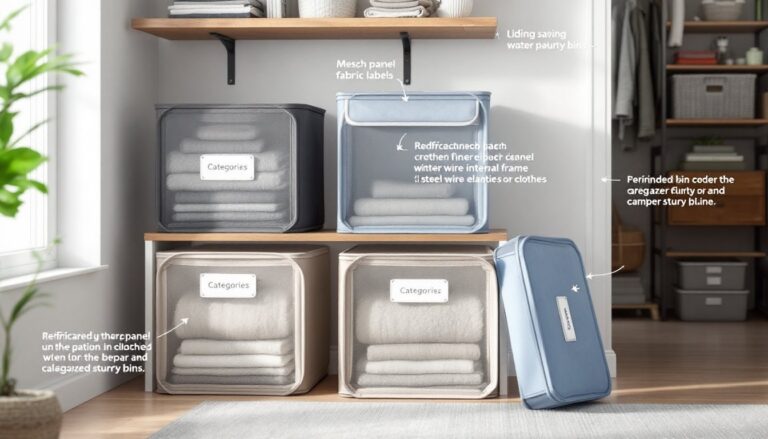
Plastic bins are the workhorse. Heavy-duty plastic storage bins, polypropylene or polyethylene, handle weight, moisture, and temperature swings better than fabric. They’re easier to wipe clean and don’t absorb odors. Look for bins with reinforced corners and secure lids: cheap plastic warps or cracks within a year. Dimensions vary wildly: a 12-quart bin fits under a bed, while 50-quart versions stack in closets. Handle placement matters if you’re frequently moving bins.
Fabric bins (canvas, polyester blend, or nonwoven materials) look softer and integrate into shelving more naturally. They’re lighter to move but less resistant to moisture. They work beautifully in dry closets and bedrooms. Fabric bins with cardboard bottoms sound economical but won’t handle weight or dampness. Choose fabric bins with reinforced bases or internal supports if they’ll hold anything heavier than linens.
Consider your climate too. Basements and attics in humid regions are hard on fabric: plastic wins there. A bedroom closet is fabric-friendly. For most homeowners juggling multiple storage spots, a mix of both types makes sense rather than committing to one material across your entire home.
Storage Solutions by Room: Where to Use White Bins Most Effectively
Every room has distinct storage needs. The bins that work perfectly in a linen closet might fail in a garage. Understanding where each bin type shines prevents wasted money and frustration.
Bedrooms, Closets, and Bathrooms
Bedrooms are prime real estate for white bins. Under-bed storage is the easiest reclaimed space: measure your bed’s clearance (typically 6–12 inches) and grab shallow plastic bins. Rolling bins with wheels make rotating seasonal clothing painless. Closet shelves become instantly functional with mid-sized plastic or fabric bins dividing sweaters, socks, or accessories into zones. Labels (a simple label maker or white tape) keep everyone in the household finding what they need.
Bathroom storage often means moisture. Plastic bins under sinks handle toiletries, cleaning supplies, and overflow towels far better than fabric. Ventilation matters, if your bathroom exhaust fan runs, air circulates and keeps moisture in check. If it doesn’t, keep fabric bins for dry goods only. Linen closets are the sweet spot: fabric bins stack beautifully on shelves, drawers, or even hanging from rods in some systems, creating a hotel-like order that lasts.
Kitchens, Garages, and Basements
Kitchens benefit from smaller bins organizing pantries and deep cabinets. Food storage is easier to manage and rotation becomes visible. Avoid bins that hold moisture-sensitive items near dishwashers or under-sink pipes: stick to plastic. The best storage bins for kitchens are typically clear-sided or labeled bins so you see what’s inside without hunting.
Garages demand durability. Plastic bins protect tools, seasonal décor, and supplies from temperature swings and the occasional drip. Stack them on wall-mounted shelving (proper bracing is essential, consult your local building code for weight limits) or floor shelves. Label heavily: garage bins hide items faster than any other room in the house.
Basements are where storage solutions get tested. If your basement stays dry, either plastic or fabric works. If moisture creeps in seasonally, plastic with tight-fitting lids is non-negotiable. Elevate bins slightly off the floor on boards or low shelving to protect contents if water ever pools. Inspect bins periodically: basements breed mold silently, and even plastic can harbor odors if not aired out occasionally.
Design Tips for Styling White Storage Bins in Your Space
White bins are invisible until they aren’t. Poor placement or inconsistent sizing makes them look like clutter rather than organization. Thoughtful styling makes them feel intentional.
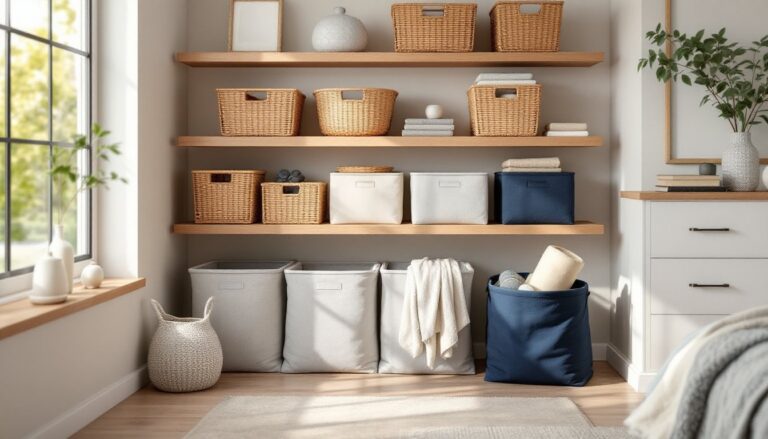
Grouping bins by height and stacking them creates visual order. Three bins of identical size feel collected and intentional: one here, one there reads as scattered. In open shelving, match bin heights to shelf depth so they don’t stick out awkwardly.
Labels are your friend, but style matters. A hand-written label on white tape is warm and practical. A label maker with white or black text keeps things clean and readable. For every space, consider who uses the system: kids need quick-to-read labels: adults can handle longer descriptions. Color-coding bins by category (white with a blue label for kids’ crafts, white with a green label for office supplies) works if you commit to it.
In living spaces, containment is key. A white storage bin on a bedroom floor needs purpose and a logical spot, under a console table, tucked beside a dresser, never floating in the middle of the room. Closed-door storage (closets, cabinets, under-bed) lets you mix and match bins without worry. Open shelving means all bins should match or follow a clear system.
Finally, resist overbuying. One large bin holds more than three small ones, reducing visual clutter. Bins that are 75 percent full stay organized longer than those crammed to bursting. Leave breathing room, and your storage system stays functional instead of becoming a puzzle every time someone needs something.