

Table of Contents
ToggleClutter creeps up on every household. A pile of blankets here, spare hobby supplies there, and suddenly your shelves look like a thrift store stockroom. Decorative storage bins solve that problem while actually making your space look intentional instead of cluttered. Unlike generic plastic tubs that scream “storage,” the right bins blend seamlessly with your décor, turning wasted space into an organized asset. Whether you’re tackling a closet, bedroom, or living room, decorative storage bins have become a practical staple for homeowners who refuse to sacrifice style for function.
Key Takeaways
- Decorative storage bins combine organization with style, transforming clutter into intentional design while protecting items from dust and damage.
- Woven and rattan bins offer natural warmth and durability for heavy items, but work best in dry areas like bedrooms and living rooms, not basements or bathrooms.
- Fabric storage bins and cubes provide versatility with dozens of colors and patterns, are machine-washable, and collapse when empty, making them ideal for varying storage needs.
- Measure shelf dimensions carefully before purchasing, and consider what you’re storing—heavy books need sturdy construction, while moisture-prone items need breathable bins.
- Color-coordinating decorative storage bins by room creates visual harmony, while neutral tones hide dust and work in any space without clashing with existing décor.
- Place frequently accessed items in bins at eye level, stack only sturdy bins, and label each one so family members can quickly find what they need.
Why Decorative Storage Bins Are Essential for Modern Homes
Storage doesn’t have to be ugly. For years, homeowners defaulted to cardboard boxes or industrial plastic containers, functional, sure, but visually jarring. Decorative storage bins changed that calculation.
They serve a dual purpose: they organize your belongings while contributing to the overall aesthetic of a room. A fabric bin tucked under a shelf becomes part of your décor, not an eyesore you hide behind closed doors. This matters especially in open-concept homes where storage is visible from multiple angles.
Beyond looks, these bins protect your items better than loose piling. Dust stays off your seasonal clothes. Hobby materials stay grouped together instead of spreading across three shelves. And when family visits, you’ve got a five-second cleanup: toss everything into bins, close the doors, done.
They’re also flexible. A bin that holds winter scarves one season can store extra bedding the next. They stack, fit into awkward shelving gaps, and work in any room, bedroom, living room, garage, or nursery. If decorative storage bins aren’t already part of your organizational system, you’re leaving organization and style on the table.
Types of Decorative Storage Bins and Their Best Uses
Not all bins are created equal. The material and construction determine durability, ease of cleaning, and how well they fit your space.
Woven and Rattan Bins for Natural Warmth
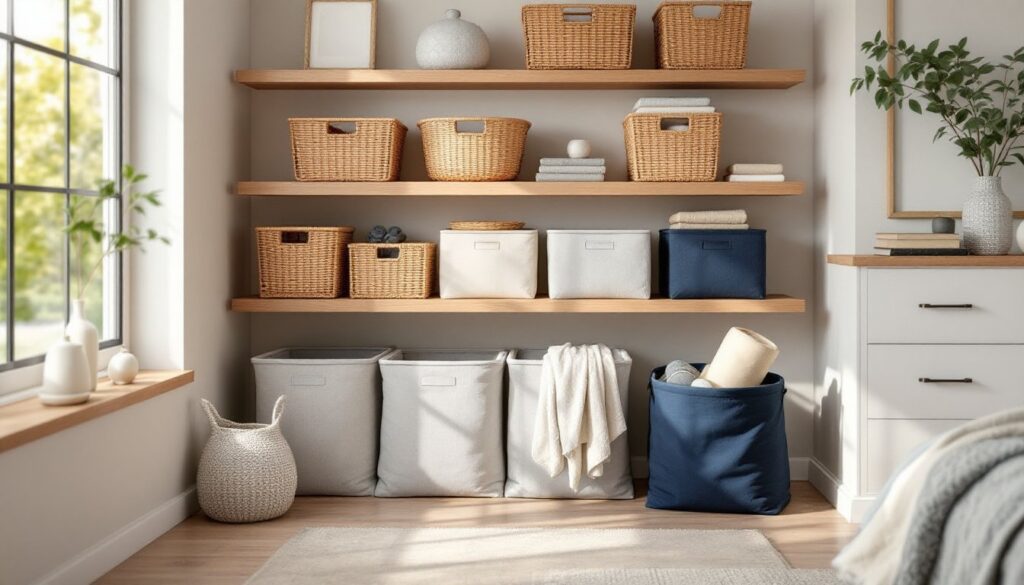
Woven baskets and rattan bins bring natural texture to any room. They’re lightweight, breathable (so moisture doesn’t trap), and age beautifully, unlike plastic, which cracks and yellows. Rattan is sturdy enough to hold heavier items like books or rolled blankets, and it complements farmhouse, bohemian, and modern aesthetics equally well.
The downside? They’re harder to clean, dust settles into the weave, and they’re not moisture-resistant. Skip them for basements or bathrooms. They work best in bedrooms, living rooms, and entryways where items won’t get damp.
Rattan bins also vary in quality. Tight, uniform weaving holds its shape longer than loose-woven baskets that sag after a few years. Check the weight and structure before buying: a flimsy 3-pound basket will disappoint faster than a solid 6-pound one.
Fabric Bins and Cubes for Versatility
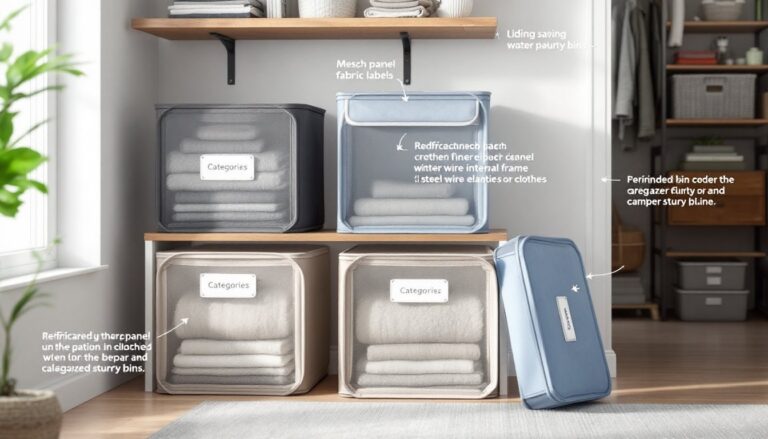
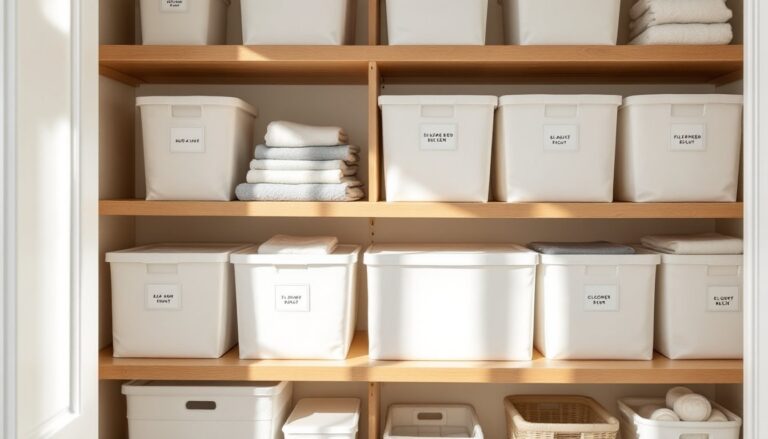
Fabric storage cubes are the workhorses of decorative storage. They come in dozens of colors and patterns, collapse when empty for storage, and handle moisture better than rattan. Most are machine-washable (or spot-cleanable), which matters if you’re storing kids’ toys or muddy gear.
Fabric bins fit neatly into shelving units, under beds, and inside closets. They also come with handles, making them easy to pull out and carry. Because they’re available in so many sizes, from small cubes to large rectangular bins, you can match them to your exact space without overpaying for wasted dimensions.
The catch is durability. Cheaper fabric bins fade, tear, and lose their shape. Mid-range options (think aesthetic storage bins made from canvas or polyester blends) last years with normal use. They’re also lighter than rattan, so they work better on floating shelves with weight limits.
How to Choose the Right Decorative Bins for Your Space
Before you shop, measure twice. Sounds obvious, but most DIYers skip this step and end up with bins that won’t fit their shelf, gap awkwardly, or jam when sliding in and out.
Measure the shelf width, depth, and height. Write down whether the space is a closed shelf or open cubby. In closed shelves, you can go with any color scheme: in open shelves, the bins become part of your visual weight, so darker colors anchor the space while lighter tones feel airy.
Consider what you’re storing. Heavy books need sturdy construction, fabric alone won’t cut it. Moisture-prone items (off-season clothes, seasonal décor) need breathable woven bins. Kids’ toys need washable, durable bins with rounded corners and no sharp edges.
Color and pattern matter too. Neutral tones (cream, gray, navy) work in any room and hide dust. Patterns are fun but can clash if your room has competing prints. If you’re unsure, stick with neutrals for larger bins and add color through smaller accent pieces.
Don’t forget handles. Open-top bins need handles for easy access: covered bins definitely need them for function. And verify the bin’s internal dimensions, not just external size, the 14-inch external cube might only have 12 usable inches inside once the walls are accounted for. That 2-inch difference matters when fitting a specific item.
You’ll also find budget-friendly storage options that combine style and cost-effectiveness, letting you outfit multiple rooms without overspending.
Creative Styling and Placement Ideas
Where you place bins matters as much as what you buy. Floating shelves with bins underneath create the illusion of more space and keep the floor open. Using bins at eye level for items you access weekly (current hobby supplies, daily-wear shoes) puts them within arm’s reach while keeping less-used items higher or lower.
Stack bins vertically only if they’re sturdy enough. Flimsy fabric bins collapse under weight: solid wood-framed or rigid plastic-sided bins stack safely. Label each bin (especially for household items like first-aid supplies or batteries) so family members don’t waste time digging.
Color-coordinating bins by room creates visual harmony. Three matching bins under a hallway shelf look intentional: random bins thrown together look like afterthought storage. If you’re mixing materials (rattan and fabric), keep colors cohesive so they feel deliberate, not chaotic.
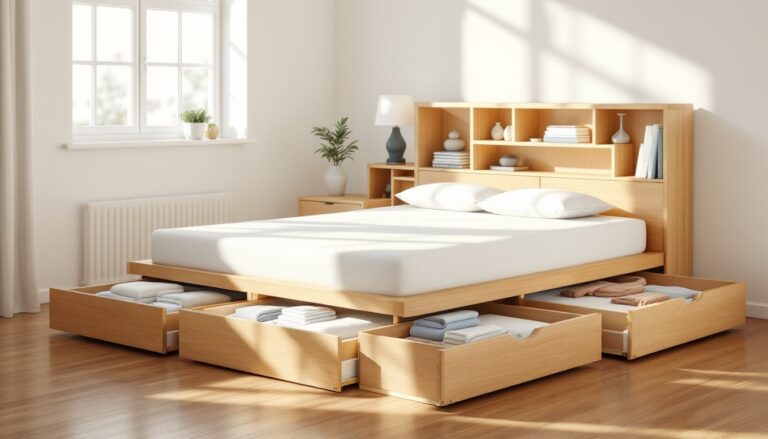
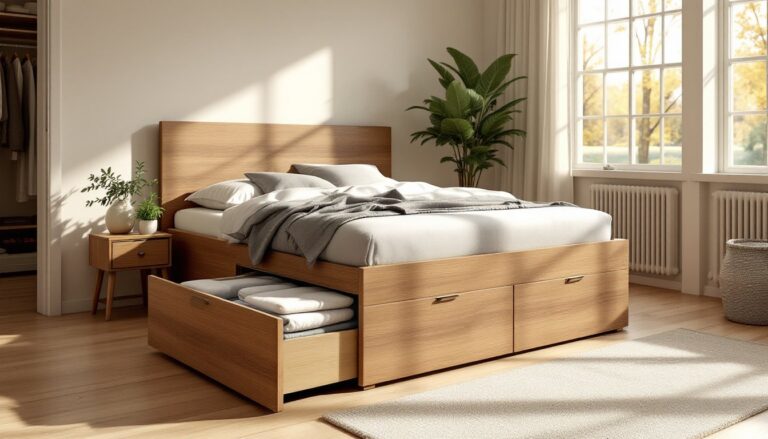
Use bins under beds to maximize bedroom storage without losing floor space. Pull-out bins slide easily and hide away seasonal items or backup bedding. In living rooms, tuck decorative bins beside a sofa to corral throws, pillows, and remote controls in one place instead of scattered across furniture.
Personal spaces like home offices benefit from bins that match your work aesthetic. Woven rattan suits a warm, creative environment: sleek fabric cubes feel modern and professional. Even home organization experts featured on major platforms rely on bins to maintain visual order while working from home, they’re not just for closets or kids’ rooms.
Conclusion
Decorative storage bins aren’t a luxury, they’re a practical investment in both organization and aesthetics. Choosing the right material, size, and placement transforms chaotic spaces into functional, intentional rooms. Measure carefully, consider your items, and pick bins that match your style. Your future self will thank you every time you toss something away cleanly instead of leaving it in a pile.