





Table of Contents
ToggleA cluttered garage isn’t just an eyesore, it’s wasted real estate. Whether you’re storing seasonal decorations, tools, sporting equipment, or household overflow, garage storage bins are the workhorse solution that keeps everything accessible and protected. The right bins transform a chaotic space into an organized, functional area where you can actually find what you need. In 2026, storage bin options have evolved beyond basic plastic totes, offering homeowners and DIY enthusiasts a range of materials, sizes, and features designed to maximize vertical space and keep your garage running smoothly. This guide walks you through the essentials of choosing, installing, and organizing garage storage bins so your space works as hard as you do.
Key Takeaways
- Garage storage bins consolidate clutter into stackable, labeled containers that free up floor space while protecting tools, electronics, and seasonal items from dust and temperature fluctuations.
- Clear plastic bins offer affordable visibility (typically $5–$15) and work well for light to medium storage, while heavy-duty steel cabinets ($150–$400) provide maximum durability for power tools and harsh garage environments.
- Vertical storage using wall-mounted shelving can accommodate 20–30 medium bins on a single 4-foot by 8-foot wall, effectively doubling your garage organization capacity.
- Size your bins based on content weight and frequency of use—small bins for regular access, medium for household needs, and large bins only when one person can safely lift them when full.
- Label bins on multiple sides with contents and dates, create a master inventory list, and review your storage system quarterly to prevent clutter from gradually returning.
- Proper installation includes measuring garage layout beforehand, securing bins to wall studs, using underlayment for moisture protection, and organizing items by category for efficient retrieval.
Why Garage Storage Bins Are Essential for Home Organization
Garages are magnets for clutter. Without a system, seasonal decorations, tools, old furniture, and miscellaneous boxes pile up against the walls, eating into parking space and creating a safety hazard. Garage storage bins solve this problem by consolidating items into manageable, stackable containers that free up floor space.
Beyond simply clearing floor space, organized storage bins protect your belongings. Sealed containers shield tools, electronics, and hobby supplies from dust, moisture, and temperature fluctuations. They also make inventory control easier, you can label bins and know exactly what’s stored where without rummaging through boxes. When garage storage bins are stacked vertically or mounted on wall brackets, you’re leveraging wall space most homeowners never use.
Proper storage also supports safety. Items stored haphazardly become tripping hazards or can fall unexpectedly. Secured, organized bins eliminate those risks and create a space that’s both functional and safer for your family.
Types of Garage Storage Bins to Consider
Not all storage bins are created equal. Your choice depends on what you’re storing, how often you access it, and your budget.
Clear Plastic Bins for Easy Visibility
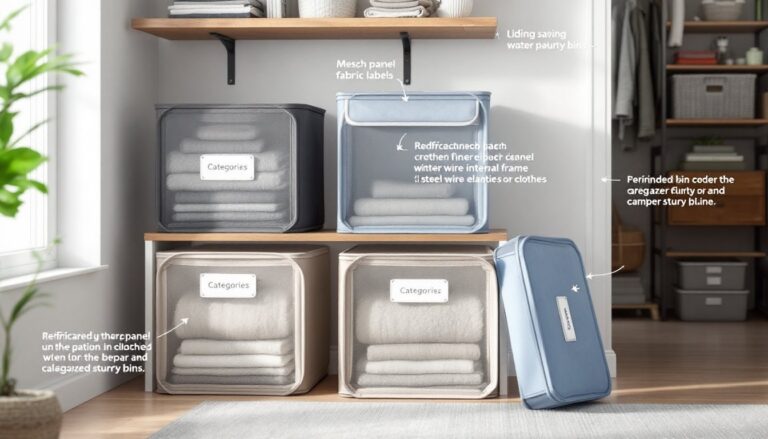
Clear plastic bins are the most popular choice for residential garages, and for good reason. Their transparency lets you see contents at a glance without opening every container. Standard 18-gallon to 30-gallon clear totes work well for seasonal items like holiday decorations and off-season clothing. They’re lightweight, stackable, and affordable, typically $5 to $15 per bin depending on quality and thickness.
Look for bins with reinforced lids and secure latches to protect against dust infiltration. Thicker plastic (ask for 3mm or greater) resists cracking when stacked and holds up to temperature swings in unheated garages. Popular brands focus on durable polypropylene construction that won’t become brittle over time. But, direct sunlight can degrade plastic over months, so place these bins on shelving or under cover rather than against exterior walls.
Heavy-Duty Metal Bins for Maximum Durability
When you’re storing heavier items, power tools, metal parts, or automotive supplies, steel or aluminum storage bins are worth considering. These units withstand significant weight and impacts that would crack plastic. A typical 36-inch tall steel cabinet costs $150 to $400 but lasts decades with minimal maintenance.
Metal bins are ideal if your garage experiences extreme temperature swings or high humidity, as they resist warping and moisture damage better than plastic. Many include adjustable shelves, lockable doors, and ventilation options. The trade-off is weight and footprint: a full metal cabinet isn’t easy to move or rearrange. Steel also requires occasional wiping to prevent rust in damp environments, so consider applying a light coat of machine oil or automotive wax annually if moisture is a concern.
How to Choose the Right Size and Material
Sizing your storage bins correctly prevents both waste and frustration. Start by measuring the space where bins will go, whether that’s a shelf, wall-mounted rack, or floor area. Account for access: bins stored in cramped corners are rarely used.
Consider what you’re storing. Small bins (under 20 gallons) suit lightweight, frequently accessed items. Medium bins (20–40 gallons) handle most household storage needs. Large bins (50+ gallons) work for bulky seasonal décor but become unwieldy and take up significant floor space. As a rule, if a bin is so heavy when full that one person can’t safely lift it, it’s too large for regular use.
Material choice hinges on three factors: durability, environment, and budget. Clear plastic bins work excellently in climate-controlled garages or for short- to medium-term storage. If you’re storing valuables, tools, or items long-term in an unheated garage or humid climate, budget-friendly storage solutions often employ hybrid approaches, metal frames with lockable plastic drawers. Metal bins excel in harsh conditions or when maximum security matters.
Think ahead about stacking. If you plan to stack bins three or four high, choose bins with reinforced bottoms and tops that can bear load. Plastic bins rated for stacking will say so on the label. Don’t exceed manufacturer recommendations: crushing lower bins wastes space and damages contents.
Underlayment matters too. A thin rubber mat or wooden pallet beneath bins protects them from concrete’s moisture and uneven surfaces, extending their lifespan. This is especially important for plastic bins in damp garages.
Installation and Organization Tips
Once you’ve selected your bins, proper setup determines how functional your storage system becomes.
Measure and map before installing. Don’t just start stacking bins against the wall. Sketch your garage layout on paper, noting electrical outlets, doors, windows, and high-traffic areas. Plan bins to avoid blocking fire exits, blocking door swings, or covering outlet access. This prevents costly rearranges later.
Use vertical space aggressively. Wall-mounted shelving systems designed for garage use can hold clear plastic bins efficiently. A typical 4-foot by 8-foot wall can accommodate 20–30 medium bins when shelved properly. Mounting shelves about 12 inches from the floor allows easy access and protects bins from garage floor moisture. Install shelves 16 inches apart vertically to fit standard bins with a bit of clearance for easy removal. Use wall studs for mounting: toggle bolts work on drywall for lighter loads, but studs are far stronger and safer.
Label everything clearly. Invest in a label maker or permanent marker and label bin contents on multiple sides, top, front, and spine. Use consistent label placement so contents are visible without moving bins. Include the date for seasonal items: you’ll remember why you kept that old holiday décor when you see “Christmas, 2024.”
Create a home for frequently used items. Tools you grab regularly should be in bins at eye level and front-center, not tucked behind seasonal decorations. Seasonal bins can go higher or deeper. Keep a master inventory list on your phone or posted inside the garage door, a simple spreadsheet noting bin numbers, contents, and locations saves hours of searching.
Secure bins against shifting. In earthquake-prone areas or if bins sit on shelves, use bungee cords or ratchet straps to prevent tipping. This matters especially if the garage will be accessed by children: a falling bin is a genuine hazard.
When organizing, group by category: tools with tools, seasonal items together, sports equipment in one area. Within each category, use smaller bins or dividers for subcategories. For example, Christmas decorations might be organized as lights, ornaments, and outdoor décor across three separate bins. This prevents the “I know I have it somewhere” frustration.
Review and rotate quarterly. Every three months, spend 30 minutes walking through your stored items. Remove anything you haven’t used, donate or sell it, and adjust bins as needed. This prevents the garage from slowly reverting to chaos. Many homeowners find that genuine garage storage solutions work best when treated as a living system, not a “set it and forget it” project.
Conclusion
Garage storage bins transform wasted floor space into organized, accessible storage. Whether you choose clear plastic totes for visibility and affordability or heavy-duty metal cabinets for protection and durability, the key is selecting bins matched to your needs and installing them thoughtfully. Measure before you buy, label meticulously, and leverage vertical space. A well-organized garage isn’t just easier to navigate, it’s safer, more pleasant, and genuinely extends the usable life of your home. Start small with a few bins, see what works, and expand your system from there. Your future self will thank you the next time you need to find something without tearing the place apart.