


Table of Contents
ToggleKitchen counters are ground zero in any home, they’re where the action happens, but they’re also where clutter tends to accumulate fastest. Dishes, small appliances, utensil caddies, and random items pile up, making prep work harder and your kitchen feel smaller. The truth is, most homes have more counter storage potential than they realize. With the right approach to kitchen counter storage, you can keep essentials within arm’s reach while reclaiming valuable work surface. This isn’t about buying expensive organizers: it’s about using the space you already have more smartly.
Key Takeaways
- Effective kitchen counter storage starts with auditing what you actually use daily and relocating everything else to create a functional, clutter-free workspace.
- Vertical wall storage using floating shelves, rails, and hooks is the fastest way to maximize kitchen counter storage without sacrificing counter square footage.
- Organize drawers and cabinets with dividers, stackable containers, and clear bins so you don’t end up pulling items onto the counter to find what you need.
- Intentional display methods like tray styling and appliance garages make counter items look curated rather than cluttered while keeping essentials accessible.
- Small appliances (toaster, coffee maker, blender) are major counter clutter culprits—store them in lower cabinets or pantry closets unless you use them every single day.
- Layering your kitchen counter storage approach with wall solutions, cabinet optimization, and strategic containment creates a kitchen that feels bigger, cleaner, and more efficient to work in.
Why Kitchen Counter Storage Matters
A cluttered counter doesn’t just look bad, it affects how you cook. When you’re hunting for a spatula or moving aside a toaster to make room for prep work, you’re losing efficiency and creating friction in daily tasks. More importantly, a clear counter is easier to clean, which improves kitchen hygiene. Every item sitting on the counter is also catching dust and grease, making weekly deep cleans more tedious.
Beyond function, counter clutter triggers mental fatigue. Kitchen design expert studies show that visual noise in the kitchen increases stress during meal prep. Your brain is constantly processing those background objects, even if you’re not consciously aware of it. That said, kitchens aren’t meant to be sterile showrooms, you need certain items accessible for daily cooking. The goal is strategic placement: keep what you use daily within reach, store the rest efficiently, and make your counter work as a functional workspace, not a storage dumping ground.
According to Home Storage Solutions: Transform, most homeowners underutilize vertical space and existing cabinet real estate before resorting to counter clutter. A little planning up front saves you from constant reorganizing down the road.
Vertical Storage: Maximize Your Walls
Your walls are probably your biggest untapped storage resource. Vertical storage doesn’t eat into counter square footage, and it’s one of the fastest ways to feel like you’ve suddenly expanded your kitchen. The key is installing storage at eye level and slightly above, not up to the ceiling where you can’t reach, and not so low that it blocks sightlines or bumps your head.
Wall Shelves and Floating Racks
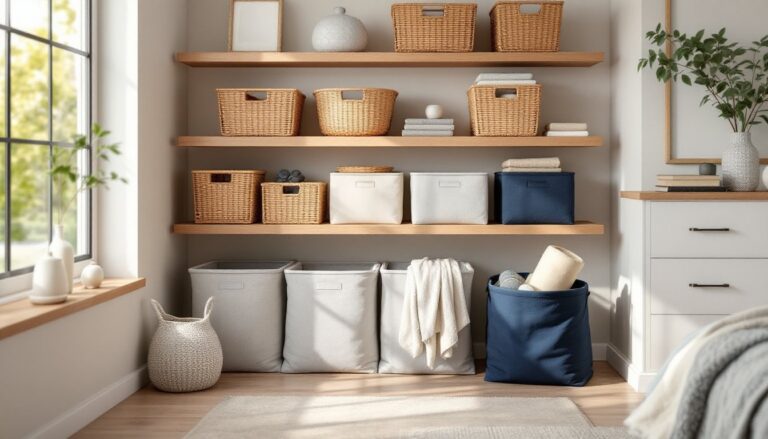
Floating shelves are the workhorse of vertical kitchen storage. Unlike traditional shelving, they don’t have visible brackets underneath, giving a clean look. When choosing floating shelves, you need to understand weight capacity. Most residential floating shelves rated for kitchens hold 25–50 pounds per shelf, depending on the wall stud spacing and the quality of the bracket hardware. If you’re storing a heavy mixer, cast-iron cookbooks, or canned goods, you need heavier-duty shelves and proper installation into wall studs, not just drywall anchors.
Installation matters. Use a stud finder to locate wall studs (typically 16 or 24 inches apart), and attach brackets directly to studs with ½-inch lag bolts or wood screws rated for the load. If studs don’t align with where you want shelves, install a horizontal 2×4 backing board secured to studs first, then mount shelves to that. This spreads the weight across multiple studs and prevents sagging.
For open shelving displays, Martha Stewart’s kitchen countertop organization guide suggests grouping similar items (spices, oils, frequently used bowls) on shelves rather than spreading them across the counter. This keeps visual clutter controlled while staying accessible.
Alternatively, rails and hooks offer modular flexibility. A simple stainless steel rail mounted 18 inches above the counter can hold hanging utensil holders, S-hooks for pots, or wire baskets for produce. This keeps high-use items visible and frees counter space below.
Container and Drawer Organization Systems
Even if you’re storing things inside cabinets and drawers, poor organization means you’ll end up pulling items onto the counter to find what you need. Drawer dividers, stackable containers, and clear bins are non-negotiable.
For drawers, compartment dividers (adjustable or fixed) keep utensils, measuring spoons, and small tools from sliding around. Wood or plastic divider sets cost $10–30 and take 10 minutes to install. Group like items: cooking utensils in one section, measuring tools in another, linens in a third. This way, you grab what you need without disturbing the rest.
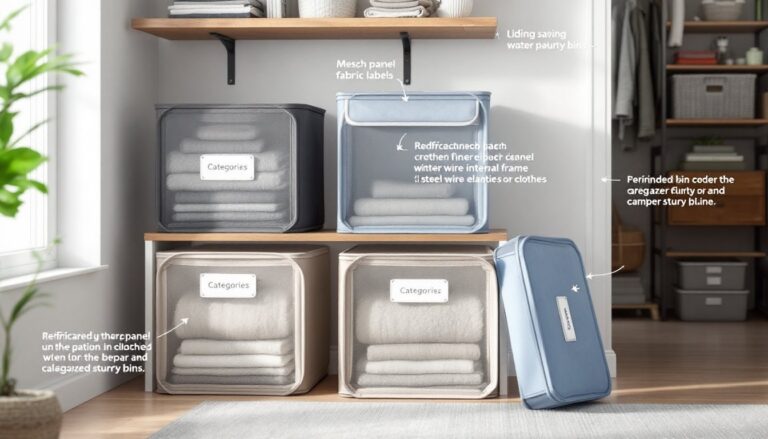
Cabinet space gets eaten up fast if you’re not intentional. Stackable food containers, clear plastic or glass, let you see what you have without opening every container. Store dry goods like flour, sugar, and pasta in labeled containers rather than original packaging: it saves space and keeps contents fresh longer. Lazy Susans (rotating trays) work great for oils, vinegars, and condiments: you spin to find what you need instead of reaching to the back of a shelf.
Under-sink organization is often ignored until something spills. Use pull-out drawer organizers or tiered shelf risers to maximize the vertical space. Keep cleaning supplies in a caddy so you can grab the whole thing without hunting through clutter. Consider using shelf liners for water resistance.
DIY kitchen counter organizers using IKEA components are popular because they’re affordable and customizable, you can reconfigure as needs change. An IKEA Variera tray costs $5–15 and can corral everything from utensils to small appliances.
Creative Countertop Solutions That Look Great
Sometimes you need things on the counter, and that’s okay. The difference between clutter and intentional display is curation and containment.
Tray styling is a decorator’s secret that actually works. A wooden or metal tray (12×18 inches is standard) becomes a defined zone for counter clutter. Group 3–4 items on the tray: a utensil holder with cooking spoons, a small dish for citrus, and a bottle of olive oil. It looks intentional and is easy to move when you need counter space. Tray styling works because it creates visual boundaries, your eye reads it as “organized” rather than scattered.
Small appliances are the real culprit in most kitchens. A toaster, coffee maker, and blender can consume a quarter of your counter overnight. Before putting something on the counter permanently, ask: Do I use this every day? If not, store it in a lower cabinet or pantry closet and bring it out as needed. For daily-use items, consider an appliance garage, a small cabinet or shelf unit with a roll-up door or hinged lid that hides the clutter but keeps appliances accessible. You can build a basic appliance garage from plywood and finish it to match your cabinetry, or buy ready-made units for $100–400.
Wall-mounted magnetic strips hold metal spice containers or knife holders, pulling them off the counter completely. A pegboard above the counter (painted to match your kitchen) creates customizable hanging storage for measuring cups, pot lids, or frequently used tools. Keep items you use weekly accessible: rotate seasonal or specialty tools to storage shelves.
For budget-friendly storage solutions, consider mason jar storage for dry goods and utensils. Glass jars are inexpensive, stackable, and let you see contents at a glance. Label them with tape or a label maker for a neat, intentional look.
Conclusion
Kitchen counter storage isn’t one-size-fits-all. Your solution depends on your kitchen layout, daily routines, and what you actually cook. Start by auditing what’s on your counter right now, keep only what you use most days, relocate the rest. Then layer your approach: add vertical wall storage first, optimize your existing drawers and cabinets, and use trays and containers to corral what stays on the counter. Small changes compound into a kitchen that feels bigger, cleaner, and easier to work in.