

Table of Contents
ToggleClutter has a way of creeping into every corner of a home, the basement, garage, closets, and attics. Large clear storage bins offer a straightforward answer to this problem without requiring a complete renovation or professional organizer on speed dial. These containers solve the core frustration most homeowners face: knowing what’s stored without opening every box. Unlike opaque plastic bins or cardboard boxes that force you to guess contents, large clear storage bins let you see exactly what’s inside at a glance. They’re practical for seasonal gear, off-season clothing, holiday decorations, and workshop supplies. This guide walks through why these bins deserve a spot in your home organization strategy, what features actually matter, and how to use them effectively.
Key Takeaways
- Large clear storage bins eliminate the guessing game by letting you see contents at a glance, saving time when accessing seasonal items, holiday decorations, or workshop supplies.
- Quality large clear storage bins feature reinforced corners, tight-sealing lids, and thick polypropylene construction that prevents cracking and warping under weight and stacking stress.
- Stackable large clear bins maximize vertical space in basements, garages, and attics while protecting contents from dust, pests, and moisture better than open shelving.
- Implementing a labeling system with color bands or numbered categories transforms clear bins into an inventory management tool that reduces duplicate purchases and keeps family members organized.
- Proper storage practices—avoiding overstuffing, acclimating materials before sealing, and rotating frequently accessed bins to lower levels—extend both container lifespan and contents preservation.
- Large clear storage bins serve multiple practical purposes including seasonal clothing organization, holiday decoration storage, garage workshop organization, and attic preservation of infrequently used items.
Why Large Clear Storage Bins Are Essential for Home Organization
The real benefit of large clear storage bins isn’t just that they’re containers, it’s that they eliminate the guessing game. When you can see contents without unpacking an entire bin, you save time and frustration. This becomes especially valuable when storing seasonal items: Christmas decorations, holiday lights, or winter clothing that you access once or twice yearly. A homeowner searching for a specific string of lights can spot it immediately in a transparent bin instead of dismantling a stack of cardboard boxes.
Large bins also create vertical storage possibilities. A basement with 8-foot ceilings becomes infinitely more useful when you stack bins safely. This vertical approach works for garage storage, attic organization, and even under-bed storage (though standard height mattresses limit this option). By consolidating smaller items into fewer, larger containers, you reduce visual clutter and make the space feel organized at a glance.
From a practical standpoint, large clear bins protect contents better than open shelving or loose stacking. They guard against dust, pests, moisture, and accidental damage. Seasonal clothing stays fresh longer in sealed containers. Workshop supplies and hardware stay organized and protected. Building materials for future projects, trim, fasteners, paint cans, benefit from the protection these bins provide.
Another often-overlooked advantage: clear bins make inventory management effortless. You don’t need a spreadsheet to remember what’s stored in the basement. This becomes invaluable when planning renovations or tackling storage gaps. When selecting storage containers, the visibility factor alone justifies the upgrade from older, opaque alternatives.
Key Features to Look For When Choosing Storage Bins
Not all large clear storage bins are created equal. The difference between a bargain bin that cracks after two seasons and a durable one that lasts a decade often comes down to material and construction details.
Durability and Material Quality
Polypropylene is the standard material for most residential storage bins. It’s lightweight, doesn’t degrade under UV exposure (though bins stored outdoors benefit from covered areas), and resists moisture. Look for bins labeled as BPA-free if you’re storing food-related items or anything that will sit in unheated spaces where temperature swings occur.
The thickness of the plastic matters significantly. Cheap bins use thin plastic that flexes and warps under weight, while quality bins feature thicker walls that maintain rigidity even when stacked. When examining bins in-store or online, check for reinforced corners and handles. Reinforced areas prevent cracking at stress points where handles attach or where weight concentrates during stacking.
Look for lids that seal tightly without excessive force. A good seal keeps dust and pests out but shouldn’t require a crowbar or cause frustration every time you open the container. Latches should feel solid, cheap plastic snaps break easily, while quality bins use heavier-duty latch mechanisms.
Stackability and Space Efficiency
True large bins should stack safely without a wobble or shift. Check the base and lid design: they should nest together securely. Some bins feature recessed lids or textured surfaces that prevent sliding. This matters when stacking bins in a garage or attic where vibration from door closing or roof settling could knock an unstable stack.
Dimensions vary, so measure your storage space before purchasing. Standard large bins typically range from 18-gallon to 66-gallon capacity, with footprints from roughly 12″ × 12″ up to 24″ × 24″. Height matters too, determine whether your ceiling height can accommodate your intended stacking height. In basements with 7-foot ceilings, you might stack two large bins safely but not three.
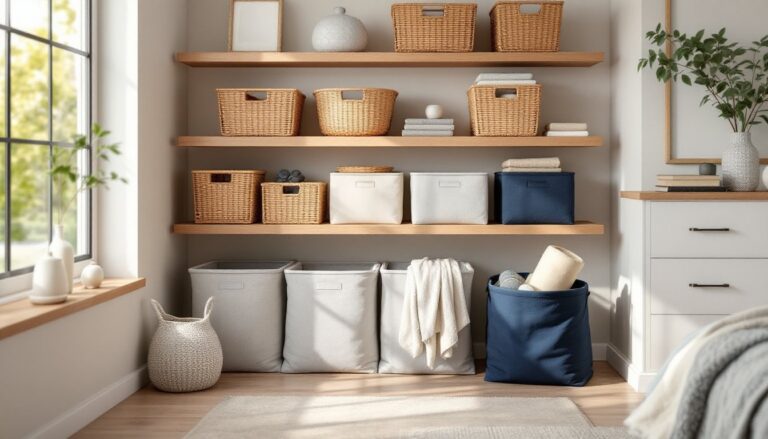
Look for bins with graduated sizes or a modular system. This approach lets you organize by category (seasonal clothing, holiday décor, sports equipment) while maximizing vertical space. Bins that nest when empty also save space when storing containers themselves.
Best Uses for Large Clear Storage Bins Around Your Home
Seasonal clothing storage tops the practical list. Winter coats, heavy sweaters, and boots compress efficiently in large clear bins when stored during warm months. The transparency means you can assess inventory at a glance, no more purchasing a third winter coat because you forgot you had two already stored away.
Holiday decorations are the classic use case. Christmas lights, ornaments, garland, and specialty décor benefit from organized bin storage. Grouping by room or holiday type keeps setup faster next season. A homeowner storing Thanksgiving and Christmas items separately saves hours of searching during November.
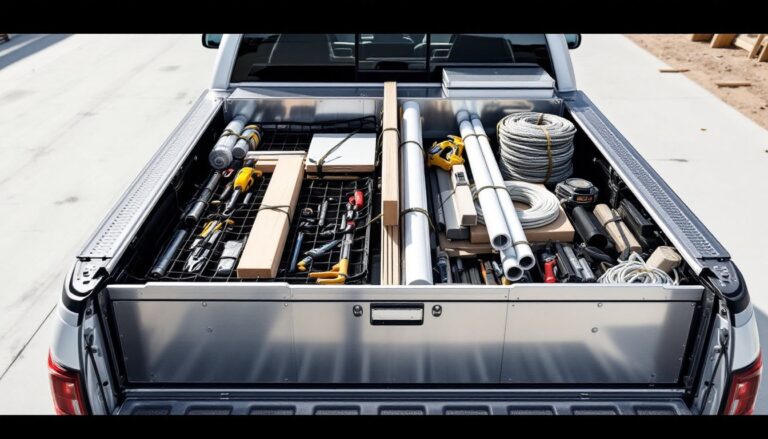
Garage and workshop storage demands clear containers too. Small fasteners, electrical hardware, paint cans, and tools organized in labeled bins transform a chaotic garage into a functional workspace. This approach directly supports future DIY projects, you’ll know whether you have the right supplies on hand before running to the hardware store.
Attic storage for infrequently used items (old paperwork, children’s keepsakes, seasonal décor) benefits from clear bins that protect against dust while remaining visible. According to resources like Good Housekeeping’s storage bin review, quality bins withstand temperature and humidity fluctuations common in attics better than budget alternatives.
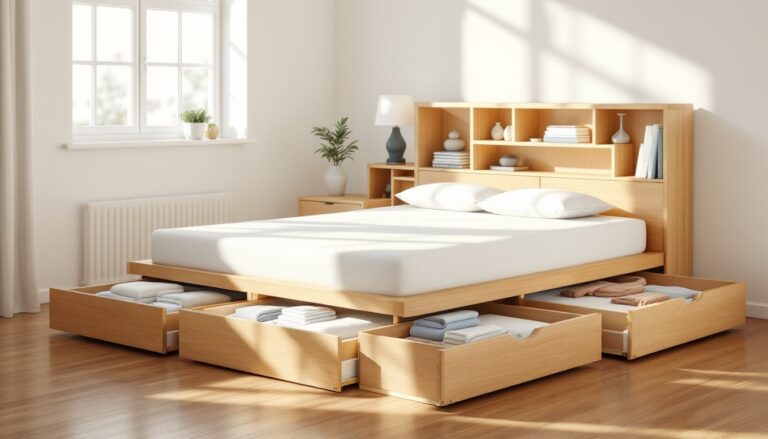
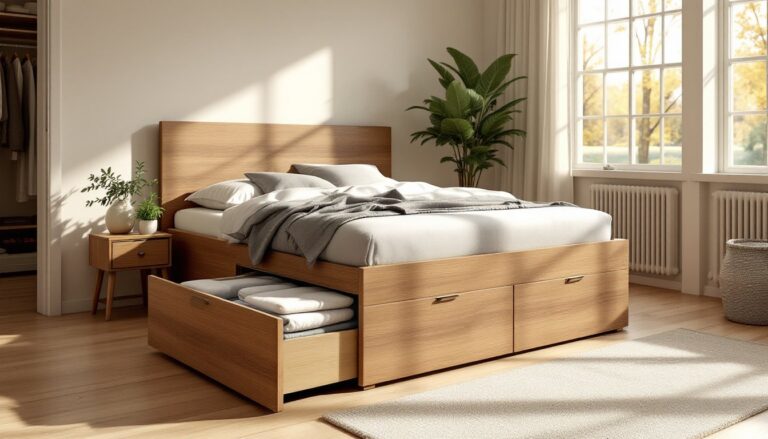
Under-bed storage using low-profile large bins (if ceiling height permits) organizes extra bedding, off-season clothing, or seldom-used items. Clear visibility lets you locate items without emptying the entire container.
Basement organization for craft supplies, seasonal entertaining items, or bulk purchases from warehouse clubs benefits from sorted, labeled bins. The visual organization reduces duplicate purchases and makes space feel intentionally managed rather than cluttered.
Pro Tips for Organizing and Labeling Your Bins
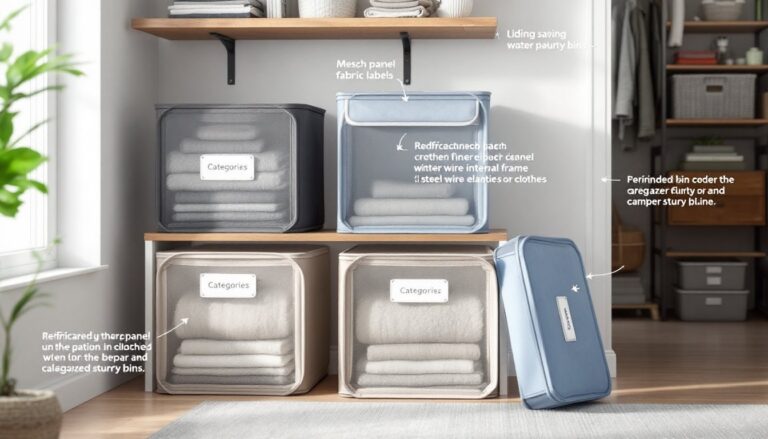
Labeling is non-negotiable. Clear bins solve the visibility problem, but organized labeling takes it further. Use a label maker with durable, weather-resistant labels (thermal labels resist fading better than inkjet options in unheated spaces). Place labels on the front and one side of each bin so you can identify contents from multiple angles when stacked.
Create a system rather than random labeling. Group bins by category, seasonal clothing, holiday décor, sports gear, tools, then assign each category a color band or number. This visual system helps family members locate items without confusion. When storing multiple bins of the same category (three bins of winter clothing, for example), number them sequentially so you know the order.
Prevention beats cure: acclimate materials before storage. If moving bins from a climate-controlled home to an unheated garage or attic, let them sit for a day before sealing. This prevents condensation from forming inside the bin. For clothing storage specifically, ensure items are completely dry and clean before binning to prevent mildew.
Don’t overstuff bins. A bin packed too tightly becomes harder to open and can damage contents during stacking. Fill them about 85% full to allow the lid to seal without forcing it. Resources from Martha Stewart emphasize that proper packing and breathing room extend both bin life and contents preservation.
Rotate access. If bins are stacked, keep frequently accessed containers on lower or middle levels. Holiday decoration bins used annually, for example, shouldn’t be buried under bins containing items accessed every five years.
Maintenance matters: rinse bins annually, especially those stored in garages or attics where dust accumulates. Allow them to dry completely before closing lids. A damp bin can develop mildew even if contents are dry. Store empty bins flat when not in use, this saves space and prevents warping from long-term stacking. Seasonal refreshes also give you a chance to purge items no longer needed, reducing overall storage volume.
Conclusion
Large clear storage bins transform chaos into organized systems without complicated setup or expensive solutions. The combination of visibility, durability, and stackability makes them essential for any homeowner juggling seasonal items, off-season clothing, or workshop supplies. Choosing quality bins with solid construction and proper lids ensures they’ll serve you for years, not seasons. Pair durable containers with a labeling system and you’ve created a storage foundation that actually works. Your future self will thank you when you can find exactly what you need without dismantling an entire storage area.