



Table of Contents
ToggleIf you’re looking to organize a garage, workshop, basement, or utility room without emptying your wallet, Harbor Freight storage bins deserve a serious look. They’re affordable, durable, and come in enough variety to fit almost any space or storage challenge. Whether you’re a seasoned DIYer dealing with scattered fasteners, paint cans, and power tools, or a homeowner tired of clutter, Harbor Freight’s selection offers genuine value. This guide breaks down the popular options, helps you pick the right bin for your needs, and shares organization strategies to keep your space functional long-term.
Key Takeaways
- Harbor Freight storage bins offer budget-friendly, durable organization solutions for garages, workshops, and basements without sacrificing quality or functionality.
- Choose the right storage bin type based on what you’re storing—plastic stackable bins for small items, larger totes for bulky goods, and metal boxes for heavy tools and weatherproof protection.
- Label bins on multiple sides with color-coding, start with an inventory before purchasing, and group items by category and access frequency to build an efficient storage system.
- Respect weight capacity limits, stack heavier items lower for stability, and secure tall bin stacks with ratchet straps to prevent toppling accidents.
- Periodically check bin contents and condition every few months to catch issues like cracks, rust, or dried paint, ensuring long-term reliability and preventing unexpected spills.
- Use smaller containers nested within larger bins and optimize vertical storage through stackable designs to maximize space efficiency in tight garages or workshops.
Why Harbor Freight Storage Bins Are Worth Considering
Harbor Freight storage bins solve a real problem: organizing on a budget without sacrificing quality. These containers aren’t luxury storage, they’re practical, no-nonsense solutions designed for workshops and garages where durability matters more than aesthetics.
The main appeal is cost. You can outfit an entire garage with bins for less than a single high-end modular storage system. For DIYers testing organizational layouts or setting up a new space, this affordability means you can experiment without regret.
Second, the range is legitimate. Harbor Freight stocks plastic stackable bins for small items, medium-duty containers for moderate loads, and heavy-duty steel options that rival industrial storage. You’re not forced into a one-size-fits-all solution.
Third, availability is consistent. If a bin works for you, you know you can replace it or buy more without hunting. This reliability matters when you’re building a system.
The trade-off is simple: these bins are functional, not fancy. You won’t find soft-close hinges or designer finishes. But if your priority is keeping fasteners sorted, protecting paint from dust, or stacking workshop supplies vertically to save floor space, Harbor Freight delivers.
Popular Storage Bin Options at Harbor Freight
Plastic and Stackable Bins
Plastic bins are the workhorses of DIY storage. Harbor Freight’s plastic storage containers range from 5-quart organizer boxes to 30+ gallon totes. These are lightweight, stackable, and transparent (in many models), so you can see contents without opening.
Smaller organizer bins, typically 10 to 20 quarts, work best for fasteners, small hardware, electrical supplies, and paint supplies. They’re easy to move and fit on shelves or in cabinets. Larger totes, in the 30 to 60-gallon range, handle bulkier items: seasonal decorations, power tools, or loose materials like insulation scraps.
One practical note: transparent bins degrade slightly under UV exposure if stored in direct sunlight (like a south-facing garage). If sunlight is unavoidable, opaque bins last longer, though you lose the visibility benefit. Clear bins in shaded storage hold up well for years.
Metal and Heavy-Duty Storage Solutions
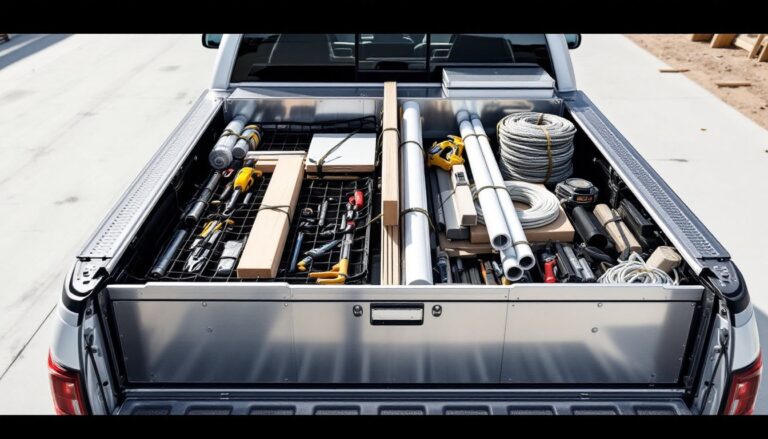
For heavier loads or long-term outdoor use, Harbor Freight offers metal storage boxes and steel tool chests. These are solid for protecting expensive tools, securing hazardous materials, or creating tamper-proof storage in a shared garage or workshop.
Steel storage boxes typically feature latching lids and corrosion-resistant coatings. They’re not weatherproof without additional sealing, but they’re tougher than plastic for rough handling. If you store a gas-powered tool, welding equipment, or valuable hand tools, a metal box earns its cost.
Tool chests with drawers offer compartmentalization built in. You trade stackability for organized drawer access, which suits a mechanic’s workflow better than a DIYer’s general storage. These are heavier and more expensive than plastic bins but built for daily use.
How to Choose the Right Storage Bin for Your Needs
Start with what you’re storing. Small fasteners, electrical fittings, and hand tools fit in shallow plastic organizers with compartments. Rolls of tape, paint cans, and caulk tubes need larger, deeper containers. Large power tools or lumber scraps demand bigger totes or metal boxes.
Consider weight capacity. Plastic bins are rated for specific loads: overloading them causes cracks or warping. Check the manufacturer label. If stacking, assume each bin bears the weight of everything above it, a 60-gallon plastic tote can handle roughly 40–50 pounds safely when stacked, depending on the design. Metal boxes handle heavier loads but are themselves heavier, so moving them is harder.
Think about access frequency. Bins you open weekly should be easy to reach and open, clear plastic with snap lids beats opaque metal if convenience matters. Seasonal storage (holiday decorations, winter gear) can live deeper in a garage in less accessible bins.
Environment factors matter. A damp basement needs sealed or breathable bins: plastic handles moisture better than cardboard or untreated wood. A hot attic stresses plastic: metal stays inert but heats up. A freezing unheated garage makes plastic brittle, so metal is more reliable long-term.
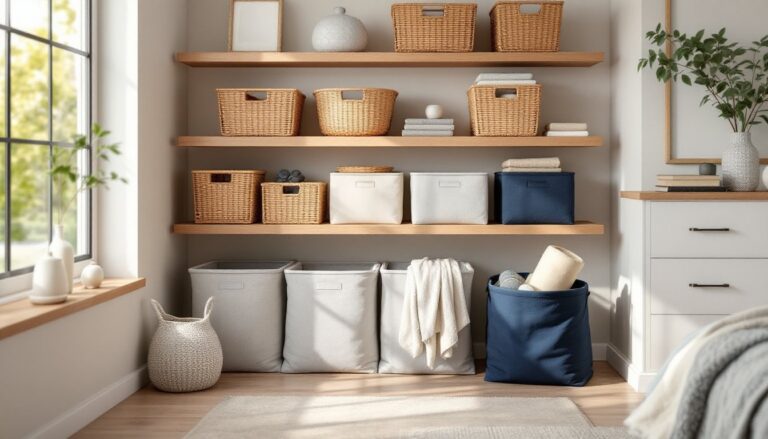
Stackability and footprint are critical in small spaces. Harbor Freight plastic bins interlock and stack neatly, saving floor area. If floor space is tight, tall stacking bins are better than wide, low ones. If you have wall space, wall-mounted bins or shelving with bins uses vertical storage efficiently.
Finally, label everything from the start. This takes five minutes now but saves countless hours of searching later. Masking tape and a marker, or adhesive labels, both work.
Organization Tips and Best Practices
Start with an inventory. Before you buy bins, list what you’re storing. Measure boxes of fasteners, coils of wire, paint cans, actual dimensions, not guesses. This prevents over- or under-buying bin capacity.
Group by category and frequency. Keep tools you use monthly in accessible front bins. Seasonal or rarely used items go deeper. Create distinct zones: one area for plumbing supplies, one for electrical, one for fasteners. This mental map saves frustration when you need something quickly.
Use smaller containers within larger bins for subdivisions. A 5-gallon plastic container fits inside a larger tote and organizes screws, bolts, and washers by size. This nested approach maximizes clarity without buying bins for every tiny item.
Label bins on multiple sides. If bins are stacked, you can’t read a front label. Write labels on the top and at least one side. Consider color-coding labels (masking tape with colored markers) for visual quick-scans. Blue for electrical, red for plumbing, yellow for fasteners, whatever system makes sense to you.
Secure unstable stacks. Stacking bins without anchoring them risks topples, especially in a garage where vibration from tools, vehicles, or doors shaking nearby can destabilize tall columns. Ratchet straps or shelf backing boards prevent accidents. If you store heavy items, keep them in lower bins and lighter items up top, this lowers the center of gravity.
Check bins periodically. Every few months, verify contents match labels. Paint dries out, liquids leak, and metal hardware can rust. Regular audits catch problems early and keep your system reliable. If a bin develops cracks, replace it: a cracked container can collapse or spill contents unexpectedly.
Consider ventilation for sealed containers. Tools with residual oil, treated lumber, or anything with lingering odor can benefit from occasional opening or ventilation to prevent moisture buildup and mold in humid climates.
Conclusion
Harbor Freight storage bins deliver practical, affordable organization without pretense. They won’t transform your garage into a showroom, but they’ll make it functional. By matching bin type to what you’re storing, respecting weight limits, and staying organized with clear labels, you build a system that actually works. Start small, add bins as needed, and adjust based on what you learn. That’s how a real workshop gets organized.