


Table of Contents
ToggleA day bed with storage is one of the smartest moves a homeowner can make when square footage is tight. These hybrid pieces work hard: they function as a sofa by day, a guest bed by night, and tuck away blankets, pillows, or off-season items underneath. Unlike a regular daybed, models with integrated drawers, shelves, or lift-up platforms maximize every inch of your room without forcing you to choose between comfort and functionality. Whether you’re furnishing a studio apartment, guest room, dorm space, or home office that doubles as a bedroom, a day bed with storage delivers both practicality and polished aesthetics.
Key Takeaways
- A day bed with storage combines sofa, guest bed, and storage into one piece, making it ideal for small spaces like studios, dorms, and home offices without sacrificing comfort or functionality.
- Choose between under-bed drawers, pull-out trundles, or built-in shelving based on your room layout; drawers support 50–75 pounds each while wall-mounted shelves can hold 30+ pounds when anchored to studs.
- Solid wood frames with mortise-and-tenon joinery outperform engineered wood or metal in durability and weight capacity, with prices ranging from $300–$800 for twin models to $800–$2,000+ for full-size options.
- Day bed with storage eliminates the need to buy separate furniture pieces (sofa, bed, dresser), reducing overall costs and floor space while keeping your room visually organized and clutter-free.
- Measure your room carefully (accounting for at least 12 inches clearance on either side), select a 6–8 inch mattress, and maintain drawers monthly with furniture wax and silicone lubricant to ensure smooth, long-term operation.
- Proper styling with layered bedding, throw pillows, and labeled storage bins transforms a day bed with storage into a polished, functional piece that works as a guest bed, reading nook, or everyday lounging spot.
Why Day Beds With Storage Are Worth The Investment
The math is straightforward: furniture that serves multiple purposes costs less overall and occupies less space than buying separate pieces. A traditional sofa plus a bed plus a dresser takes up serious real estate. A day bed with storage collapses those three functions into one footprint.
Beyond the obvious space savings, there’s the comfort angle. Quality day beds with storage use solid wood frames (hardwoods like pine, oak, or poplar are standard) and support slats instead of a box spring, which means your mattress lasts longer and sleeps firmer. The storage component, whether drawers, shelves, or concealed cubbies, keeps your room visually calm. No piles of blankets on a chair, no seasonal items scattered in closets. Everything has a home.
For renters, day beds with storage offer flexibility. You’re not committing to a full bedroom set, and you can move the bed from apartment to apartment without major logistics. Homeowners planning a permanent upgrade benefit from the structural integrity of real wood frames and the long-term value. A well-built day bed with storage will outlast trends and hold up to daily use, from lounging to occasional overnight guests to kids bouncing around.
Popular Storage Options and Styles
Under-Bed Drawers and Pull-Out Storage
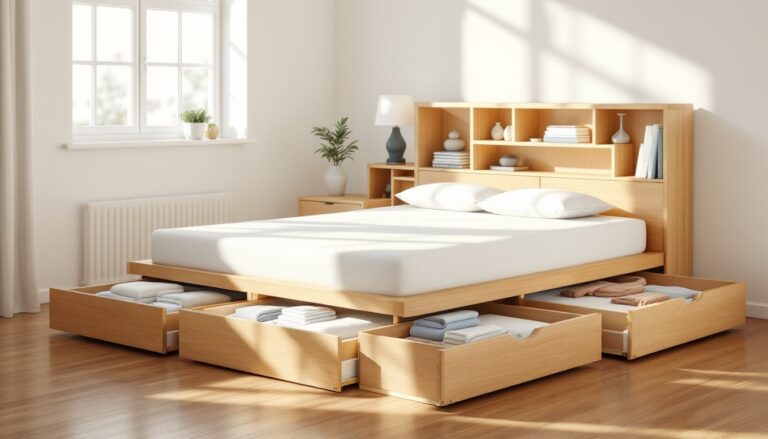
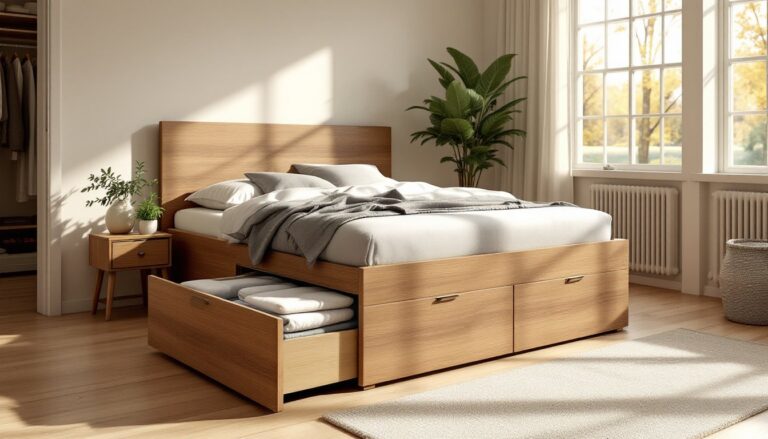
Drawers mounted under the frame are the most common storage setup. Typically, you’ll find two or four pull-out drawers that glide on ball-bearing slides (essential for smooth, quiet operation). Standard drawer depth is around 12 to 16 inches, enough for bedding, pillows, or clothing. Some models feature drawers on one side only, leaving the other accessible for sitting or placing a throw blanket.
Pull-out storage goes deeper than drawers. Hydraulic or friction-fit mechanisms let an entire secondary platform (sometimes resembling a small trundle bed) slide out for additional sleeping space. This works well if you host sleepover guests but don’t want a second permanent bed eating up floor space. The tradeoff: pull-outs are heavier to operate and require clearance on at least one side.
When shopping for drawer day beds, check the weight capacity per drawer, standard is 50 to 75 pounds per drawer. Heavy blankets and books add up fast. Also verify that drawer slides are metal (aluminum or steel), not plastic: they’ll handle regular use without sagging or detaching.
Built-In Shelving and Vertical Space Solutions
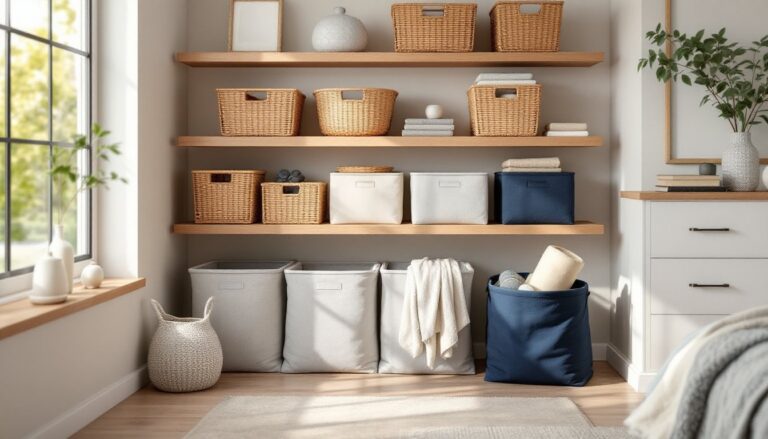
If your day bed sits against a wall, built-in shelving above the mattress or on the headboard stretches storage upward instead of outward. Open shelves work well for styling: books, small plants, framed photos, or decorative baskets break up flat wall space. Closed cubbies (with or without backing) hide clutter while adding visual interest.
Vertical shelving is especially smart in bedrooms where floor space is precious. A wall-mounted shelf unit above the daybed (typically 12 to 18 inches deep) can hold 30+ pounds per shelf when properly anchored into studs. Always mount shelves into wall studs using appropriate fasteners, drywall anchors alone won’t support weight long-term.
Some premium day bed models integrate shallow shelving directly into the headboard frame. These are pre-assembled and distribute weight through the bed’s legs, so no separate wall mounting is needed. The tradeoff is less adjustability and less total shelf space, but the clean, unified look appeals to buyers who want everything in one coordinated piece.
Choosing the Right Day Bed With Storage for Your Space
Start with measurements. Day beds come in twin (38 inches wide × 75 inches long) or full (54 inches wide × 75 inches long) dimensions. Twin is standard for a single sleeper and takes up less space: full is more comfortable for two adults sitting and sleeping. Measure your room’s longest wall and account for nightstands, lamps, or other furniture. Leave at least 12 inches on either side for circulation and visual breathing room.
Material choice affects both durability and style. Solid wood frames (pine, oak, birch) are the gold standard for longevity and weight capacity. Look for mortise-and-tenon joinery or dowel joints at corners, these are stronger than simple pocket holes or screws. Engineered wood (plywood or particle board) costs less but won’t hold up as well under daily use. Metal frames (steel or aluminum) are lightweight and industrial-looking: they’re durable but can flex over time if construction is thin.
Matching your décor matters. Upholstered day beds (with cushioning and fabric or leather) work well in living rooms or offices because they look like a sofa. Wood day beds suit bedrooms and cottages. A metal frame day bed with drawers beneath fits modern, industrial, or Scandinavian aesthetics. Budget ranges vary wildly, expect to pay $300 to $800 for a solid wood twin day bed with basic drawers, and $800 to $2,000+ for full-size models with premium finishes or advanced storage (though pricing fluctuates by region and material grade).
When evaluating specific models, read reviews or find free DIY furniture plans if you’re handy enough to build one yourself. That approach saves money and gives you total control over materials and dimensions. If purchasing pre-made, check the weight capacity (both the frame and drawers), verify that hardware is replaceable, and confirm the return policy.
Setup, Maintenance, and Styling Tips
Assembly varies by model, but most day beds arrive in pieces. Lay out all parts before you start, and follow the instruction manual step-by-step. Use a level to ensure the frame sits flat, uneven legs cause drawers to bind and the mattress to sit at an angle. If drawers are sluggish out of the box, a thin coat of furniture paste wax on the drawer slides (not on the wood, just the metal rails) helps them glide smoothly.
Mattress selection is often overlooked. Day beds typically use a 6- to 8-inch twin or full mattress, thinner than a standard bedroom bed. This keeps the overall height reasonable so you can sit upright against a wall or headboard without your head hitting a window. Memory foam or high-density foam works well because it’s supportive without being too soft. If the day bed will serve double duty as a sofa, a firmer mattress is more comfortable for sitting.
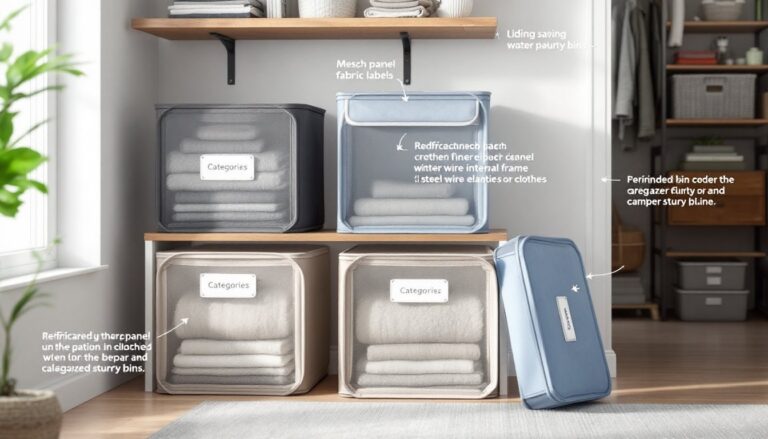
Styling makes a day bed feel intentional, not like a bed squeezed into a living room. Layer the mattress with a washable duvet or quilt, add two or three throw pillows (varying shapes and colors), and drape a lightweight blanket over the arm or foot. Keep styling minimal, too many pillows make it impractical to actually use the bed. If there’s storage below, store off-season items in labeled bins: this keeps you organized and lets you pull inventory quickly.
Maintenance is straightforward. Vacuum under and around the day bed monthly to prevent dust buildup (especially in drawer slides). Wipe drawer fronts with a damp cloth and dry immediately to prevent water stains. If drawers squeak, apply silicone-based lubricant to the slides, not oil-based products (oil attracts dust). Check all fasteners annually and tighten if needed, especially where legs meet the frame, as vibration from daily use can loosen bolts over time.
For building inspiration or detailed construction guides, explore resources like The Handyman’s Daughter, which covers beginner woodworking projects and DIY furniture builds. If you’re tackling assembly or modifications, keep your receipt and hardware packaging in case you need to order replacement parts.
Conclusion
A day bed with storage is a smart, economical choice for anyone trying to maximize small spaces without sacrificing comfort or style. Whether you choose drawers, shelving, or a pull-out trundle, the key is picking a model that matches your room’s dimensions, your décor, and your actual needs. Invest in solid construction, care for it properly, and it’ll serve you well for years, as a guest bed, a reading nook, or a stylish spot to lounge with a book on a Saturday morning.