
Table of Contents
ToggleClutter has a way of sneaking into every corner of a home, the bedroom closet, the garage, the living room cabinet. Most homeowners feel trapped between storing everything and letting it pile up. Collapsible cube storage bins offer a practical escape route. Unlike bulky, permanent shelving units or expensive custom closets, these flexible containers fold flat when empty, cost just a fraction of traditional storage solutions, and stack or slide away wherever needed. Whether you’re organizing a nursery, hiding seasonal decorations, or creating zones in an open basement, collapsible cube bins have become the go-to choice for anyone serious about reclaiming space without major renovation costs.
Key Takeaways
- Collapsible cube storage bins fold flat when empty and cost $10–$35 per bin, making them a budget-friendly alternative to hundreds of dollars in permanent shelving or custom cabinetry.
- These flexible containers work in any room—bedrooms, garages, home offices, or nurseries—and don’t require wall mounting, making them ideal for renters and anyone who moves frequently.
- Choose bin sizes based on your shelving (13-inch cubes fit standard units) and material by use case: non-woven polypropylene for damp garages, linen for visible living spaces, and reinforced bottoms for heavy items.
- Clear, specific labeling (like ‘Winter hats and gloves’ instead of ‘miscellaneous’) and stacking no higher than two bins prevents chaos and ensures family members return items correctly.
- Collapsible cube storage bins let you experiment with new organizing systems, move with you without extra cost, and adapt as your lifestyle and space needs change, with zero guilt if a system doesn’t work out.
What Are Collapsible Cube Storage Bins and Why They’re Game-Changers
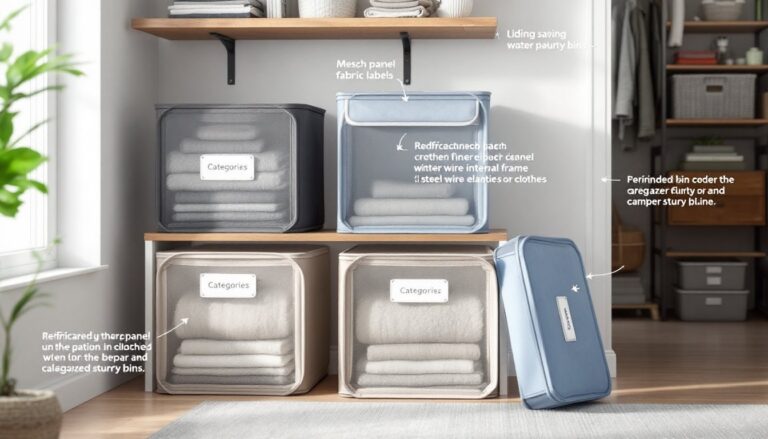
Collapsible cube storage bins are fabric or plastic containers, usually square or rectangular, with reinforced walls that hold their shape when filled but fold down to nearly flat when empty. Most feature a wire frame or cardboard support structure wrapped in linen, polyester, or plastic, with open tops for easy access and sometimes built-in carrying handles. They typically come in 12-inch, 13-inch, or 15-inch cube sizes, designed to fit standard shelving units, bookcases, or stand alone on the floor.
What makes them game-changers isn’t just their collapsibility, it’s the flexibility they bring to storage. A young family moving to a new house, an empty-nester downsizing, or a renter without permission to install permanent fixtures can all benefit from bins that adapt to changing needs. You’re not locked into a storage system: you can add or subtract bins, move them to different rooms, or swap them out entirely as your life shifts. They’re also forgiving for trial-and-error organizing. If a labeling system doesn’t work, you swap bins around without leaving holes in the wall or wasting money on a system you can’t change.
Key Benefits for Your Home Organization
Maximizing Space in Small Areas
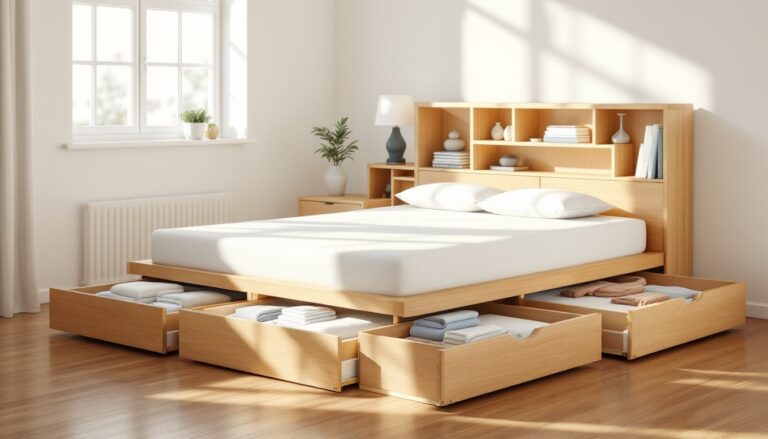
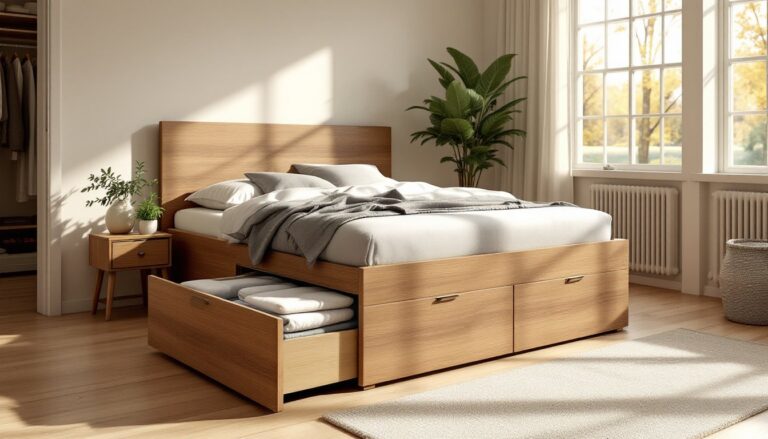
In apartments, condos, or small homes, every cubic inch counts. Collapsible bins let you use vertical space efficiently, stack them in a closet, nestle them under a bed, or tuck a few inside a larger cabinet when not in use. Because they fold flat, you’re not paying for wasted air when they’re empty. A single bin stored in a closet takes up roughly the footprint of a sheet of paper: a stack of five fits in a space barely thicker than a paperback book. This is especially valuable during seasonal transitions. Summer clothes, holiday decorations, and sports gear don’t need a dedicated room, they compress into bins that slide into a corner, under a stair, or behind a door. For renters, they’re invaluable since they don’t damage walls, require mounting hardware, or trigger security deposit disputes.
Cost-Effective Storage Without Commitment
A built-in closet system, wall shelving with supports, or custom cabinetry can easily run hundreds or thousands of dollars and locks you into that configuration. Quality collapsible cube bins cost $10 to $35 per bin depending on material, size, and brand, a fraction of permanent solutions. You can start with two or three and add more as your organizing vision evolves. If you move or redesign a room, bins move with you at no additional cost. Unlike shelving that’s tied to a specific room or aesthetic, bins work in bedrooms, home offices, craft rooms, children’s spaces, or garages. They’re also less commitment psychologically. If a bin doesn’t work out, donating or repurposing it stings far less than ripping out custom cabinetry. This lower barrier to entry makes collapsible storage perfect for experimenting with new organizing systems without financial risk.
Choosing the Right Bins for Your Needs
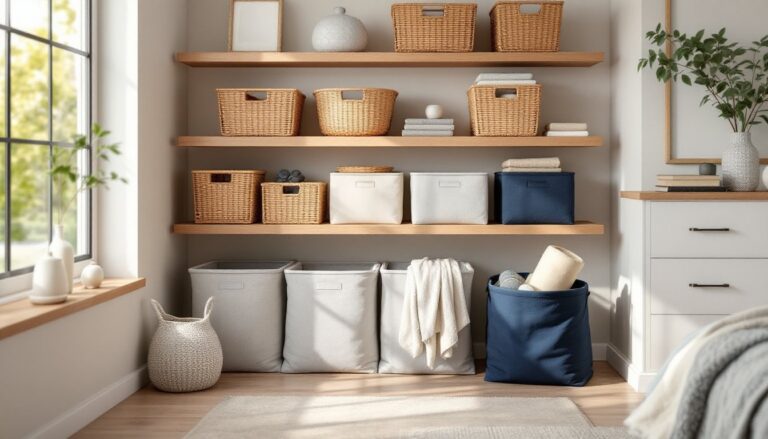
Start by measuring your space. If bins will sit on a shelf, know the shelf width and depth, a 13-inch cube works in standard shelving units (bookcases, kallax-style racks), while a 15-inch bin needs more room. For under-bed storage, measure the clearance height carefully: most bins are 12–13 inches tall when assembled, and many beds don’t leave enough gap. Consider what you’ll store. Light items (books, clothes, blankets) work fine in basic fabric bins, but heavier things (tools, canned goods, textbooks) need stronger construction, look for bins with reinforced bottoms, thicker cardboard supports, or woven polypropylene fabric rather than thin cotton linen. Open-top bins are faster to access and easier to fold, while bins with lids protect contents from dust and sunlight but take longer to close and take up more depth when stacked. Darker fabrics hide dust and discoloration better than light colors: neutral grays, blacks, and natural linens look less busy than loud patterns if bins live in visible areas.
Material matters for longevity and washability. Non-woven polypropylene withstands moisture better than fabric and wipes clean easily, ideal for garages, basements, or damp climates. Linen or canvas bins feel nicer and blend better with bedroom or living-room décor but are harder to sanitize. Check customer reviews for collapsing issues: some budget bins lose shape after a year or two of heavy use. For budget-conscious organizers, the best storage bins for every room span price ranges and material types, so starting small and testing a bin before buying a whole set is smart. If you’re working around existing furniture, measure twice and verify bin dimensions match your shelf or space before ordering.
DIY Organization Tips and Creative Uses
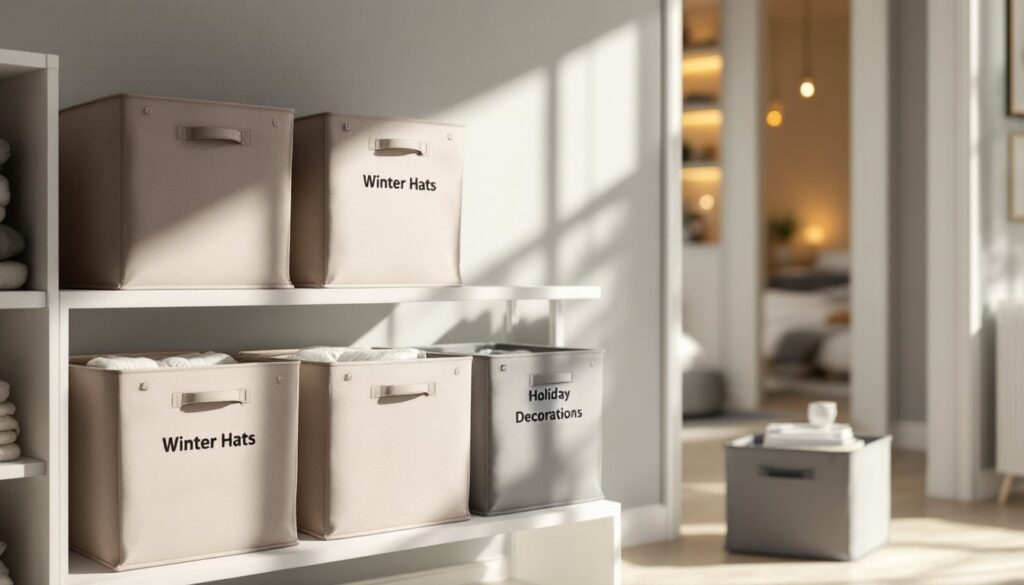
Collapsible bins shine when you pair them with smart organizing habits. Label every bin clearly, use a label maker, waterproof tape, and a consistent naming system so you (and family members) actually return items to the right place. Vague labels like “miscellaneous” or “stuff” defeat the purpose and lead to chaos within weeks. Instead, use specific labels: “Winter hats and gloves,” “Tax documents 2024–2025,” or “Kids’ art supplies.” For items you need to access frequently, stack no more than two bins high: anything taller becomes a frustration when you have to unstack every time you need something from the bottom.
Photo labels or a simple spreadsheet tracking what’s in each bin (especially for off-season or rarely-accessed storage) saves time later. Beyond closets and under beds, collapsible cubes work beautifully in playrooms, kids can see and grab their own toys, which builds independence and makes cleanup faster. In home offices, they corral cables, paperwork, and supplies without requiring expensive desk organizers. A collection of storage solutions from trusted sources often includes budget-friendly arrangements and styling tips. For a Scandinavian or minimalist aesthetic, store bins on open shelving and choose neutral colors. For a hidden-storage approach, tuck them into closets with the doors closed. Creative DIYers even repurpose bins as under-stair drawers or custom closet dividers. The adaptability means your storage solution can evolve as your needs change, a significant advantage over fixed shelving.
Conclusion
Collapsible cube storage bins aren’t flashy, but they’re one of the smartest investments a home can make. They save space, cost less than permanent solutions, and adapt to life’s changes without guilt or expense. Whether you need to wrangle a toddler’s toys, create a more functional home office, or prepare a move, these bins deliver real-world results. The key is choosing the right size and material for your space, labeling consistently, and embracing them as part of your organizing system rather than as a quick fix. Start small, test what works, and expand from there, your future clutter-free self will thank you.