


Table of Contents
ToggleIn a world increasingly focused on sustainability, eco-friendly storage solutions are gaining popularity. As people strive to minimize their environmental impact, finding ways to organize and store belongings without harming the planet has become essential. From biodegradable materials to energy-efficient designs, eco-friendly storage options offer practical benefits while promoting a greener lifestyle.
Embracing these sustainable solutions not only helps reduce waste but also supports a healthier living environment. Whether it’s using recycled materials or opting for second-hand furniture, eco-friendly storage can transform clutter into conscious living. Discover how making simple changes can lead to a more organized and environmentally responsible home.
What Is Eco-Friendly Storage?
Eco-friendly storage refers to storage solutions that prioritize sustainability and environmental responsibility. These solutions often utilize materials that are biodegradable, recycled, or sourced from renewable resources. They aim to minimize waste and carbon footprints while promoting healthier living spaces.
Key Features of Eco-Friendly Storage
- Biodegradable Materials: Eco-friendly storage options often employ biodegradable substances like bamboo, organic cotton, or plant-based plastics, which break down naturally over time.
- Recycled Materials: Many solutions incorporate recycled components, such as repurposed wood or metal, reducing the need for new raw materials and lowering environmental impact.
- Energy Efficiency: Designs often prioritize energy-efficient production processes. This includes utilizing low-energy manufacturing techniques that consume fewer resources.
- Durability: Eco-friendly storage items typically possess longer lifespans than conventional options. Durable materials lead to reduced replacements over time, conserving resources.
- Sustainably Sourced Products: Products made from renewable resources, like sustainably harvested wood or recycled paper, contribute to less environmental degradation.
- Minimalistic Designs: Eco-friendly storage solutions frequently feature simple, functional designs that reduce excess materials, emphasizing efficiency and effectiveness.
By incorporating eco-friendly storage solutions, individuals can actively participate in sustainability efforts while organizing their belongings effectively.
Benefits Of Eco-Friendly Storage
Eco-friendly storage solutions provide multiple advantages, particularly in enhancing sustainability and cost-effectiveness. By choosing these options, individuals contribute positively to the environment while enjoying financial savings.
Environmental Impact
Eco-friendly storage significantly reduces environmental harm. Biodegradable materials like bamboo and organic cotton decompose naturally, minimizing landfill waste. Recycled components lower resource extraction rates and energy consumption. Energy-efficient production processes cut greenhouse gas emissions, promoting cleaner air. Durable materials extend product life, reducing the need for frequent replacements. Minimalistic designs further decrease overall consumption, fostering a more sustainable lifestyle.
Cost Efficiency
Eco-friendly storage solutions often lead to long-term savings. Durable products minimize replacement costs, while energy-efficient designs can reduce utility expenses. Utilizing recycled or second-hand materials typically lowers initial purchase prices. Many manufacturers offer eco-friendly options at competitive rates, providing the dual benefit of affordability and sustainability. By investing in these storage solutions, individuals can effectively manage expenses while supporting eco-conscious practices.
Types Of Eco-Friendly Storage Solutions
Eco-friendly storage solutions encompass various innovative options that prioritize sustainability. Individuals can choose from reusable storage bins and biodegradable packing materials to enhance their eco-conscious practices.
Reusable Storage Bins
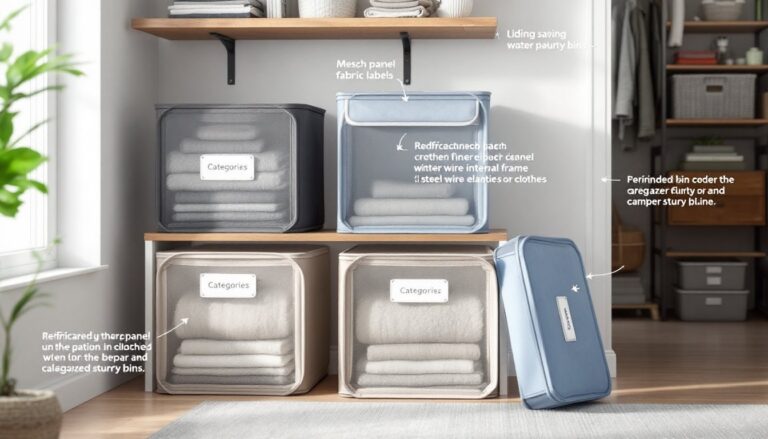
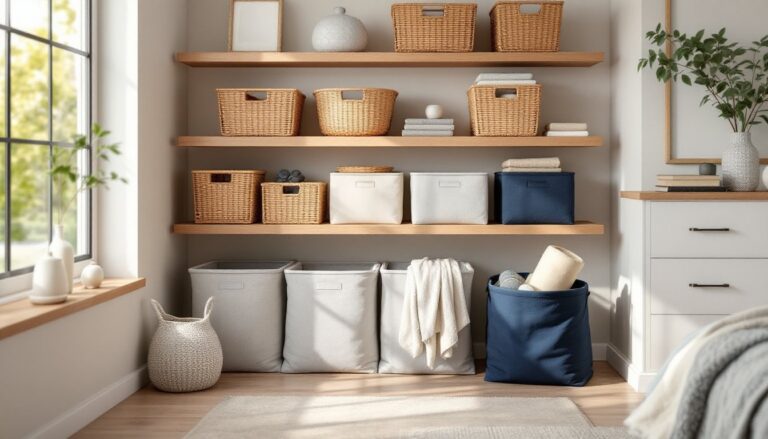
People opt for reusable storage bins to reduce waste and promote sustainability. These bins often feature materials such as recycled plastic, metal, or natural fibers, ensuring durability and longevity. Available in various sizes, they cater to different storage needs, such as organizing household items or office supplies. By using these bins, individuals minimize single-use products and lessen their environmental impact. Options like collapsible bins maximize space efficiency and support a minimalistic lifestyle.
Biodegradable Packing Materials
Biodegradable packing materials offer an eco-friendly alternative to traditional plastic packaging. Common options include materials made from mushrooms, cornstarch, and recycled paper, featuring decomposable properties that break down naturally over time. By using these packing materials for shipping or storage, individuals decrease landfill contributions while still ensuring item protection. Biodegradable packing peanuts and kraft paper serve as effective solutions for shipping fragile items, conveying commitment to eco-conscious practices.
Tips For Implementing Eco-Friendly Storage
Implementing eco-friendly storage solutions involves thoughtful assessment and careful product sourcing. These steps ensure that storage practices promote sustainability while meeting individual needs.
Assessing Your Needs
- Identify specific storage objectives, such as organizing, decluttering, or maximizing space efficiency.
- Evaluate available space in areas like closets, garages, and living rooms.
- Prioritize items based on usage frequency and sentimental value.
- Consider long-term usage to determine the best types of storage solutions.
- Analyze environmental impact by opting for solutions that minimize waste and promote recycling.
Sourcing Sustainable Products
- Research companies that specialize in eco-friendly materials and sustainable practices.
- Choose storage products made from renewable or recycled materials.
- Look for certifications, such as Forest Stewardship Council (FSC) labels, that indicate responsible sourcing.
- Opt for second-hand furniture or storage solutions to extend the life cycle of products.
- Support local artisans who create sustainable storage options, reinforcing community economy and reducing carbon footprints.
Embracing eco-friendly storage solutions is a powerful step toward a more sustainable lifestyle. By opting for materials that are biodegradable or recycled individuals not only enhance their organization but also contribute to a healthier planet. The cost-effectiveness of these options further encourages responsible consumer behavior while fostering a minimalist approach to living.
As awareness of environmental issues grows choosing eco-friendly storage becomes a practical and impactful choice. With thoughtful assessment and careful sourcing individuals can create organized spaces that reflect their commitment to sustainability. Each small change adds up making a significant difference in reducing waste and promoting a greener future.