

Table of Contents
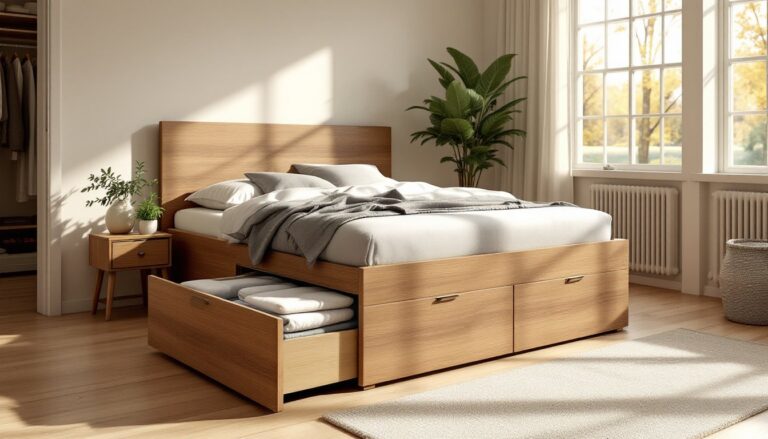
ToggleUnder bed storage doesn’t have to mean cramped, inaccessible caverns where you lose socks and forgotten memories. Low profile under bed storage has become a savvy solution for anyone fighting the clutter wars, from small apartments to master bedrooms overflowing with seasonal clothing. Unlike chunky plastic bins that scrape floors or wobble under weight, the right low profile storage keeps essentials within arm’s reach while maintaining a clean bedroom aesthetic. Whether you’re squeezing extra linens into a studio or organizing a guest room, the right approach combines accessibility, stability, and realistic planning. This guide walks you through practical options and honest installation advice to maximize those precious inches beneath your bed frame.
Key Takeaways
- Low profile under bed storage maximizes the 8–12 inch gap beneath your bed, turning wasted space into organized capacity without consuming wall space or requiring permanent installation.
- Measure your bed’s ground clearance at multiple points before purchasing storage, as clearances under 8 inches limit you to flat boxes, while 8–10 inches accommodates low-profile wheeled drawers.
- Wheeled drawers suit heavy, frequently accessed items like seasonal coats and quilts, while flat stacking boxes work best for lightweight storage like guest linens and decorative pillows on a budget.
- Prepare the space by vacuuming thoroughly and using felt or plastic sheets to reduce friction and protect against moisture; label containers and organize by zones to prevent clutter and simplify rotation.
- Monitor humidity with silica gel packets, check containers monthly, and never exceed weight limits for wheeled products to keep your low profile storage system functional and safe for years.
Why Low Profile Storage Is a Game-Changer for Small Spaces
Low profile storage solves a problem most people overlook until desperation strikes: that 8- to 12-inch gap beneath the bed is dead space in most homes. Standard bed frames sit 12–18 inches off the floor, leaving room that’s too low for nightstands but perfect for flat containers. Unlike tall shelving units or bulky closet organizers, under bed storage doesn’t consume vertical wall space or require additional furniture.
For renters, this matters even more. You can’t drill into walls or commit to permanent fixtures, but sliding flat containers under an existing bed takes zero installation. The psychological win is real too, having a dedicated home for winter coats, guest bedding, or craft supplies means you’re not mentally cataloging “stuff I need to hide.” Homeowners dealing with small bedrooms or limited closet space find under bed storage essential for staying organized without making rooms feel cramped.
The catch? Bed height matters. Platform beds, low-profile frames, and adjustable beds all have different clearances, so measuring first isn’t optional, it’s the difference between a solution that works and one that frustrates you every time you reach for it.
Best Low Profile Under Bed Storage Options for Every Need
Wheeled Drawers and Sliding Bins
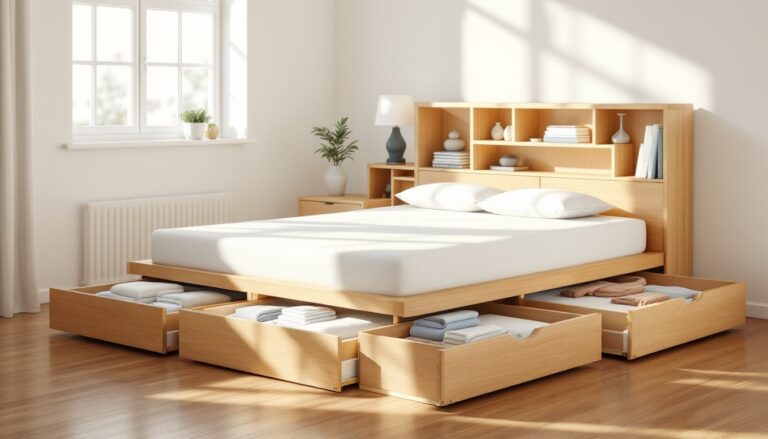
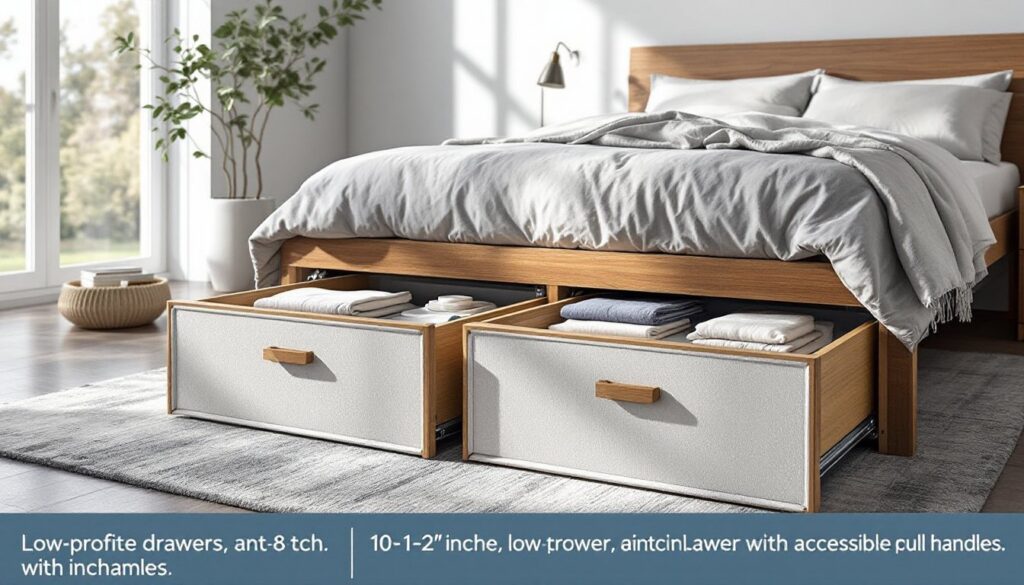
Wheeled storage drawers are the workhorse of under bed organization. These are flat, shallow containers mounted on ball-bearing casters that glide smoothly even when full. They come in modular sizes, typically 36 to 48 inches long and 6 to 8 inches tall, so you can stack or place side-by-side depending on bed dimensions. The best models feature locking wheels to prevent drift when you open or close a door (a safety detail often overlooked).
The advantage is access without bending awkwardly. You pull, it rolls, you grab what you need. Materials vary: wood-framed with fabric sides, plastic shells with metal frames, or full wood construction. Wood-framed options look less institutional and work better in master bedrooms: plastic shells resist moisture better in basements or damp climates.
Cost ranges widely. Entry-level wheeled bins run $30–$60 each: higher-end options with better wheel quality and sealed bottoms climb to $120–$180. For a queen bed, most people need two drawers to cover the length.
Flat Storage Boxes and Containers
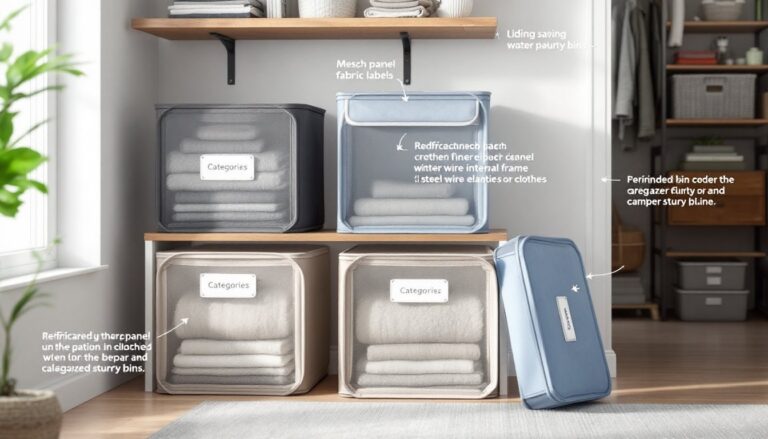
Flat plastic storage boxes, typically 18 by 24 inches and 4 to 6 inches tall, are simpler and cheaper. They don’t roll, so you’re sliding them manually, but they stack more easily and take less coordination. Clear plastic versions let you see contents without opening (a real time-saver when hunting for specific items).
Stackable flat boxes work well if you’re storing lightweight items like seasonal clothing or linens. The tradeoff is effort, pulling a box from under the bed requires getting low and pushing hard on friction alone, especially if the bed frame sits on thick carpet. Containers with handles make this easier but add cost.
Budget-friendly options from home centers run $8–$20 per box. If you need organization on a dime, these are unbeatable. But, they’re fragile compared to wheeled systems and show dust and scratches quickly in visible bedrooms.
How to Choose the Right Storage Solution for Your Bed Height
Your bed’s ground clearance is the non-negotiable starting point. Measure from the floor to the bottom of the bed frame with a steel tape measure, don’t estimate. Measure at multiple points (foot, middle, head) because some frames settle unevenly over time.
For clearances under 8 inches, flat boxes without wheels are your only option. Anything taller will stick out and create a trip hazard. At 8 to 10 inches, you’ve got room for low-profile wheeled drawers (typically marked “6-inch” or “8-inch” height). Above 12 inches, you can use standard 10-inch drawers or stack two shallow containers.
Consider what you’re actually storing. Seasonal coats, heavy quilts, and ski gear demand wheeled systems because you’ll need to access them regularly and they’re genuinely heavy. Lightweight items, guest linens, decorative pillows, craft supplies, work fine in flat stacking boxes. Weight per container matters too. A loaded wheeled drawer can weigh 40–60 pounds: make sure the wheels are rated for that load (check the fine print on the product).
Bed frame material plays a quiet role. Metal frames let dust accumulate more visibly: wooden frames hide dirt better. Platform beds (solid surfaces instead of a frame with exposed legs) are easier to work with for under-bed storage because they don’t have cross-braces that catch your knuckles or prevent full-depth access.
One more factor: access frequency. If you’re grabbing something weekly, wheels matter. If it’s once a season, friction-slide containers save money.
DIY Tips for Installing and Organizing Under Bed Storage
Installation is mostly about preparation, not tools. Start by clearing the floor space completely and vacuuming underneath. Dust, pet hair, and debris will stick to wheeled casters and slow them down over time. If you’re using wooden or fabric-sided containers, lay down a thin felt or plastic sheet underneath to reduce friction and protect against moisture wicking from concrete or tile floors.
For wheeled drawers, position them parallel to the bed edges so they roll smoothly along the grain of wood or carpet. Test roll before loading, if they catch or stick, the wheels likely need cleaning or the floor is uneven. A bed wedge or shims can level platforms if the floor isn’t flat (common in older homes). Use locking wheels always, even if your bed doesn’t move frequently.
Organization inside containers is where most people slip up. Divide space into zones: one drawer for cold-season clothing, another for bedding. Use small dividers or zippered bags within each container to prevent shifting. Label everything. A label maker (or even a sticky note) saves you from opening every box hunting for the guest pillowcases.
Weight distribution matters. Don’t overload one wheeled drawer significantly more than another, it strains wheels unevenly. Heavier items go into drawers positioned closest to the bed’s structural support (typically the foot or head end, depending on frame design). For budget-friendly storage solutions, stacking flat boxes works best if you keep weight under 30 pounds per box.
Moisture is your silent enemy. Under beds trap humidity, especially in basements or coastal climates. Use silica gel packets or small moisture absorbers inside sealed containers, particularly for clothing or heirloom items. Check containers monthly in humid seasons. If you notice condensation, reduce weight in that container or improve under-bed airflow by propping the bed’s head or foot slightly higher.
Accessibility tips from home organization experts suggest keeping your most-used items in the most accessible position (typically the side nearest your regular entry to the bed). Seasonal rotation deserves a calendar note, swap winter and summer storage when clocks change so you’re not hunting for flip-flops in January or scrambling for scarves in November. Small space organization strategies emphasize that consistency beats perfection: if your system feels clunky after a month, adjust it rather than abandoning the effort.
Safety comes last but first in execution. Never store anything near electrical outlets or cords underneath the bed. Don’t exceed weight limits for wheeled products (usually printed on the item), and avoid storing anything you need urgently in spots that require moving two other containers to access. Remind household members, especially kids, that under-bed storage isn’t a play area. Finally, if your bed frame ever feels unstable, stop using under-bed storage immediately: load distribution can affect frame integrity on certain designs, particularly loft-style beds.
Conclusion
Low profile under bed storage transforms wasted space into organized capacity without reinventing your bedroom layout. The best system matches your bed height, the weight you’re storing, and how often you need access. Wheeled drawers suit frequent, heavy-item rotation: flat stacking boxes handle seasonal storage on a budget. Honest measurement, thoughtful organization, and attention to moisture will keep your storage functional for years. Start small, one container or drawer, then expand as you refine what works for your space and lifestyle.