

Table of Contents
ToggleYour entryway sets the tone for your entire home. It’s the first thing guests see and the last thing you check before leaving, which is exactly why it deserves better than a cluttered corner and a pile of shoes. An entryway cabinet with storage solves that problem while making a real design statement. Whether you’re building from scratch or retrofitting an existing space, a well-planned entryway cabinet keeps coats, keys, packages, and everyday gear within arm’s reach without sacrificing style. This guide walks you through selecting the right solution, sizing it correctly, and installing it with confidence, even if you’ve never tackled a cabinet project before.
Key Takeaways
- An entryway cabinet with storage reduces daily friction by organizing coats, keys, and gear in one place while protecting walls and enhancing your home’s perceived value.
- Choose between built-in cabinets for a polished, permanent look or freestanding options for flexibility and easier DIY installation without requiring stud-finding expertise.
- Aim for an entryway cabinet depth of 18–24 inches and height of 36–48 inches, measuring your space multiple times to ensure the cabinet fits functionally without blocking traffic.
- Anchor heavy wall-mounted components to studs using 2.5-inch wood screws and heavy-duty brackets rated for weight to safely hold coats, shoes, and other everyday items.
- Maximize storage efficiency by dividing your entryway cabinet into zones—hooks for coats, cubbies for accessories, lower drawers for shoes—and keep frequently used items at eye level.
- Finish your cabinet with primer and paint before installation if possible, allowing proper drying time between coats to avoid drips and overspray in your entryway space.
Why Entryway Storage Matters for Your Home
A functional entryway cabinet does more than hide clutter, it protects your walls, reduces daily friction, and adds genuine square footage to your usable home. Without dedicated storage, coats end up on chair backs, keys disappear into pockets, and wet boots stain hardwood floors. An entryway cabinet with hooks, shelves, and cubbies gives everything a home, making morning routines faster and keeping your entryway from becoming a dumping ground.
From a design perspective, the right cabinet also anchors the space visually. A built-in or semi-custom piece immediately elevates your home’s perceived value and polish. Potential buyers see it as a sign you care about details. More importantly, you get to enjoy a calm, organized entry every single day, and that’s worth the effort it takes to plan and install one correctly.
Types of Entryway Cabinets and Storage Solutions
Your main decision is whether to go built-in (custom, wall-mounted) or freestanding (movable, easier to install). Both have merit: it depends on your space, budget, and commitment level.
Built-In Cabinets vs. Freestanding Options
Built-in cabinets run from wall to wall and floor to ceiling (or a fixed height). They’re anchored to the studs and hardwired into the space, giving a polished, high-end look. The trade-off: installation is permanent and often requires basic carpentry skills or professional help. You’ll need to locate studs, cut and frame an opening if necessary, and ensure square, level installation. Building codes vary, but structural changes may require a permit: check with your local building department first.
Freestanding cabinets are standalone pieces you buy ready-made or build as a standalone unit. They’re easier to move, don’t require stud-finding, and work well in rental homes. The downside is they don’t blend as seamlessly into the wall and may shift if not anchored properly. Many DIYers prefer freestanding for a first project because there’s more room for error and less risk of damaging walls.
A middle ground is a semi-recessed or wall-mounted shelf unit with a freestanding base cabinet. This gives you built-in polish without the full commitment. You mount shelves and a top structure into the studs, then set a freestanding cabinet underneath, clean lines, hybrid flexibility.
Choosing the Right Size and Style for Your Space
Measure twice, measure again, and then measure one more time. Your entryway width, height from floor to the soffit or ceiling, and depth (how far the cabinet projects into the hallway) are non-negotiable. A cabinet that’s too deep will block traffic: one that’s too shallow won’t hold much. Aim for 18 to 24 inches deep for a functional balance, deep enough for coats and gear, not so deep you trip over it.
Height depends on your ceiling and whether you want the cabinet to feel floor-to-ceiling or just shoulder-height. A typical entryway cabinet runs 36 to 48 inches tall: this gives upper shelf space without towering and keeps hooks at natural arm height. If your entryway is under 7 feet tall, stopping at 48 inches is usually right. If you’ve got space to the ceiling and want maximum storage, go taller, just ensure you can still reach the top shelf safely.
Style should reflect your home’s personality. Modern minimalism calls for clean lines, flat doors, and matte finishes. Traditional spaces suit frame-and-panel doors with hardware that echoes your home’s fixtures. Farmhouse vibes work with shiplap backing, open shelving, and plenty of hooks. Don’t pick a style in a vacuum, look at interior design ideas and home decor inspiration to see what resonates, then adapt it to your actual measurements and budget.
Installation Tips for DIY Enthusiasts
Before you cut a single board, gather your tools: a stud finder, level, drill-driver, circular saw or miter saw (for cleaner angle cuts if you’re doing trim work), tape measure, and a square. Safety first: wear eye protection (flying dust and splinters), work gloves, and a dust mask if you’re sanding or cutting. Ear protection is smart if you’re running a saw for extended periods.
Start with locating studs using a reliable stud finder. Mark them lightly with pencil. If you’re building or mounting anything heavy, you must anchor into studs, drywall anchors alone won’t hold a loaded cabinet. Measure and mark your cabinet’s final position on the wall, double-check it’s level, and lightly outline it with pencil.
For freestanding cabinets, assembly is usually straightforward. Pre-made units may come flat-pack: follow the manufacturer’s instructions carefully, and have a second person on hand if panels are large or heavy. Once assembled, check that the cabinet is square (measure diagonal corners, they should be equal), level (use a 4-foot level along the top), and plumb (front edges truly vertical). Shim underneath with small wooden wedges if needed.
For built-in or wall-mounted components, secure them to studs using 2.5-inch wood screws (longer screws penetrate deeper and anchor better). If you’re mounting shelves, use heavy-duty brackets rated for the weight you plan to store. Coats, shoes, and bags add up fast, don’t skimp on hardware. Free woodworking plans for building an entryway cabinet with hooks and storage can give you a blueprint if you’re building from scratch, but adapt dimensions to your specific wall.
Finish work, primer, paint, or stain, should happen before final installation if possible. Paint a cabinet in place and you risk drips and overspray. If you must finish it on-site, lay down drop cloths, use quality primer and paint (most entryways need one gallon per 400 square feet of coverage: plan for two coats), and allow proper drying time between coats.
Maximizing Storage Efficiency in Your Entryway
A big cabinet is useless if you can’t find anything. Divide the space into zones: hooks for coats and bags, cubbies or shelves for hats and gloves, a lower cabinet or drawer for shoes, and maybe a narrow shelf for keys and mail. Use vertical space, a tall, narrow entryway benefits from wall-mounted shelves above the main cabinet.
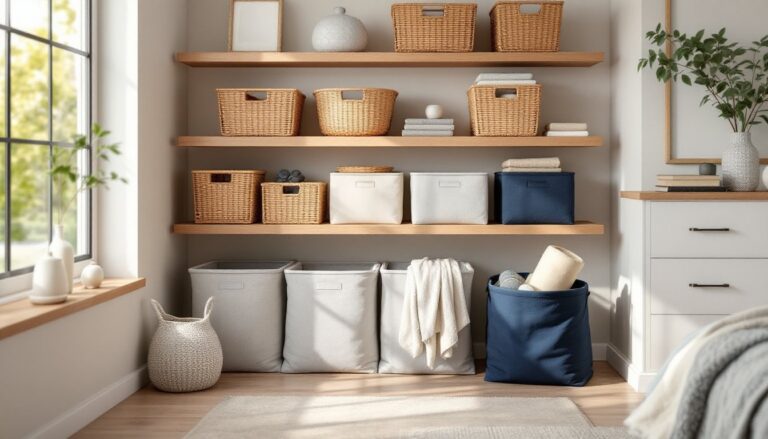
Include at least 3 to 5 hooks per person in your household. Stagger them at different heights so a child’s coat hangs lower than an adult’s. Baskets and bins corral small items: label them so everyone knows where things belong. A small bench or cushioned seat on top of a lower cabinet adds function and style, great for sitting while removing boots.
Keep high shelves for seasonal or decorative items. Middle shelves hold everyday bags and accessories. Lower areas (drawers, lower shelves, or cubbies) store shoes and heavy items. This follows the golden rule: frequent-use items at eye level and arm’s reach, occasional items higher or lower.
Consider materials carefully. Solid wood looks great but requires finish maintenance. Plywood is budget-friendly and strong when properly supported. MDF (medium-density fiberboard) is smooth and paintable but sags if shelves are long or overloaded. Never exceed a shelf’s weight rating, and support long shelves with brackets every 16 to 24 inches. When in doubt, home repair tutorials and DIY guides offer step-by-step advice on shelf installation and load-bearing limits.
Conclusion
An entryway cabinet transforms a cluttered threshold into an organized, welcoming space. Whether you choose a freestanding unit, a simple wall-mounted system, or a full built-in project, the key is honest planning: measure accurately, pick a style that fits your home, invest in proper hardware, and don’t skip the finishing touches. Start with a realistic assessment of your skills and tools, if building from the studs out feels overwhelming, a quality freestanding cabinet or pre-built unit is a smart, faster path to the same end result. Your morning commute and daily arrivals will feel smoother, and your home will look more intentional from the front door inward.