


Table of Contents
ToggleA twin XL mattress is three inches longer than a standard twin, measuring 38 inches wide by 80 inches long, which makes it surprisingly popular in adult guest rooms, dorm setups, and smaller master bedrooms. But it’s the storage bed version that really transforms cramped spaces. A twin XL storage bed isn’t just a place to sleep: it’s a full organizational system built into your frame. Whether you’re furnishing a tiny apartment, a guest bedroom, or a young adult’s room, this style tackles the eternal problem of bedroom clutter without eating up square footage. Read on to learn what options exist, how to pick the right one, and how to maximize every inch.
Key Takeaways
- A twin XL storage bed measures 38 inches wide by 80 inches long and combines a sleeping platform with built-in compartments, drawers, or shelving to maximize small bedroom organization without sacrificing floor space.
- Twin XL storage beds feature under-bed drawer systems, lift-up platforms, or hybrid designs with headboard shelving, with storage capacity ranging from 20 to 60 cubic feet depending on configuration and design type.
- When choosing a twin XL storage bed, measure your room’s dimensions, assess what you’ll store, and prioritize solid construction with smooth ball-bearing drawer glides and weight limits of 400–600 pounds for durability.
- Effective organization requires using labeled containers, distributing weight correctly with heavier items in lower drawers, and rotating seasonal storage twice yearly to keep the storage bed functional and prevent damage to stored items.
- Twin XL storage beds work in rooms as small as 10 by 11 feet and are ideal for guest rooms, dorm setups, and small master bedrooms where traditional furniture like dressers would consume valuable floor space.
What Is a Twin XL Storage Bed?
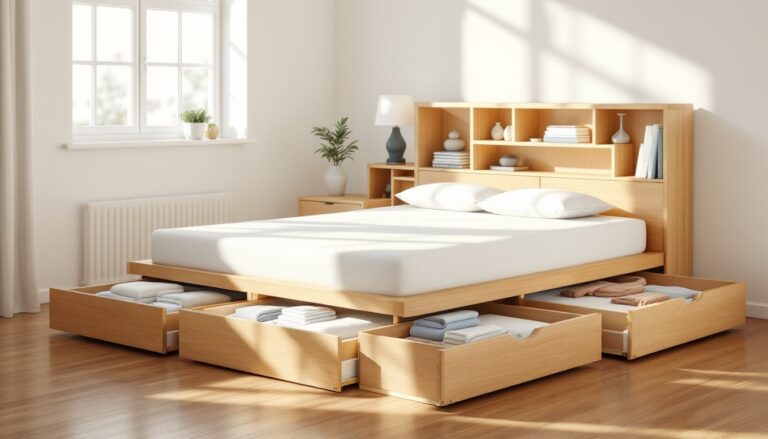
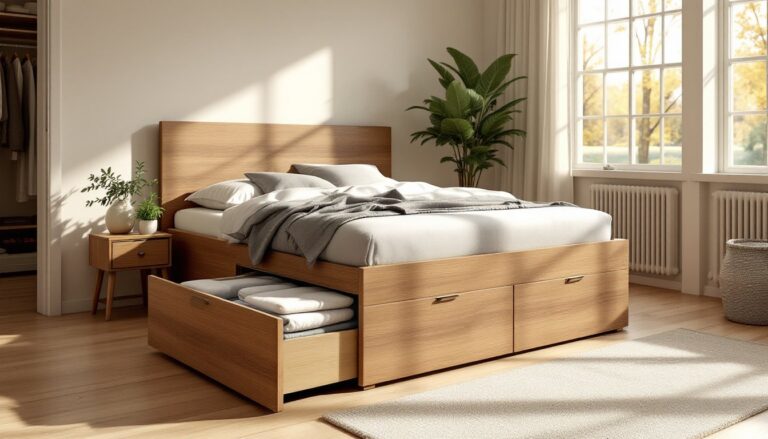
A twin XL storage bed combines a standard sleeping platform with built-in compartments, drawers, or shelving. The bed frame itself sits higher than typical models, usually 14 to 20 inches off the floor, to create usable space underneath. Some designs feature pull-out drawers that run the full width of the bed: others have lift-up platforms that reveal a hollow cavity for bins and boxes. A few premium options combine drawers with wall-mounted shelving on the headboard.
The key difference from a regular elevated bed is intentional design: storage beds are engineered so drawers roll smoothly, platforms stay stable when opened, and weight distribution doesn’t stress the frame. The mattress sits on a solid base or slat system that’s part of the structure, not added on top.
Key Benefits for Small Bedrooms and Guest Spaces
In a small bedroom, a storage bed is a game-changer. You’re not sacrificing floor space to add a dresser or closet: the storage is literally part of the bed. A twin XL storage bed can hold seasonal clothes, bedding, shoes, books, or sports gear, somewhere between 20 and 60 cubic feet depending on configuration.
For guest rooms, this matters even more. A bedroom that doubles as a home office or craft space stays tidy because linen sets, pillows, and throw blankets all live under the bed. When guests arrive, you flip open the drawers, grab what you need, and close them back up.
Another practical win: twins and twin XLs work in rooms as small as 10 by 11 feet, which opens up storage bed options for spaces where a queen wouldn’t fit. The slightly longer sleeping surface also reduces the “feet hanging off” problem that plagues tall sleepers on standard twins.
Storage Options and Configurations to Consider
Under-Bed Drawer Systems
Drawer-based storage is the most common twin XL setup. These frames come with two, three, or four pull-out drawers that run perpendicular to the bed. Each drawer typically measures 36–38 inches wide, 16–20 inches deep, and 6–8 inches tall. They slide on metal ball-bearing glides, which is essential, cheap plastic tracks bind and fail.
Drawers are best for clothes, linens, or anything you need to access regularly. They’re fully enclosed, so dust doesn’t collect on your stored items. The downside: if you pack them too tight, the weight creates friction and makes rolling harder. Also, some frames only allow access from one side of the bed, which matters if your room setup is tight.
Built-In Shelving and Headboard Storage
Headboard shelving adds vertical storage without taking more floor space. Some frames include a unit with 2–4 shelves above the mattress, perfect for books, plants, decor, or a bedside lamp. This keeps your nightstand clear and adds visual interest to the room.
Hybrid designs combine a few under-bed drawers with headboard cubbies, giving you flexibility. A single deep drawer might house bulky items like comforters, while shelves above display lightweight bedroom essentials. The tradeoff: these models cost more and require wall space behind the bed. If your bed floats in the middle of the room or sits against a window, headboard storage might limit placement. Research specific models, not all storage beds offer both options, and some shelving units are removable while others are fixed.
How to Choose the Right Twin XL Storage Bed for Your Space
Start by measuring your room’s width, length, and ceiling height. A twin XL storage bed is 38 inches wide, so you need at least 40 inches of wall space (accounting for margins and nightstands). Mark out where the bed will sit, and check that drawer pulls won’t bang into a wall or door when opened.
Next, think about what you’ll actually store. If you’re stashing seasonal clothing, look for frame designs with shallow drawers on casters, they’re lighter to pull open. If you’re storing bins of craft supplies or children’s toys, choose a model with taller under-bed clearance (at least 12 inches) and maybe a lift-platform instead of drawers. A platform bed lets you slide large storage containers underneath without the friction of drawer slides.
Material matters too. Solid wood frames (oak, pine, or hardwoods) cost more but are durable and look good. Engineered wood or metal frames are lighter and cheaper: they work fine if you’re not planning to move the bed often. Check weight limits, most support 400–600 pounds of sleeper and stored goods combined. If you’re tall or will store heavy items, aim for higher ratings.
Finally, buy from makers known for construction quality. Brands focusing on free DIY furniture plans and beginner-friendly builds often publish assembly videos, which saves headaches. Read reviews specifically about drawer smoothness and frame stability after a year of use.
Styling and Organization Tips for Maximum Functionality
Once your twin XL storage bed is assembled and in place, organization determines whether it stays functional or becomes a junk drawer with fabric. Here’s how to keep it working:
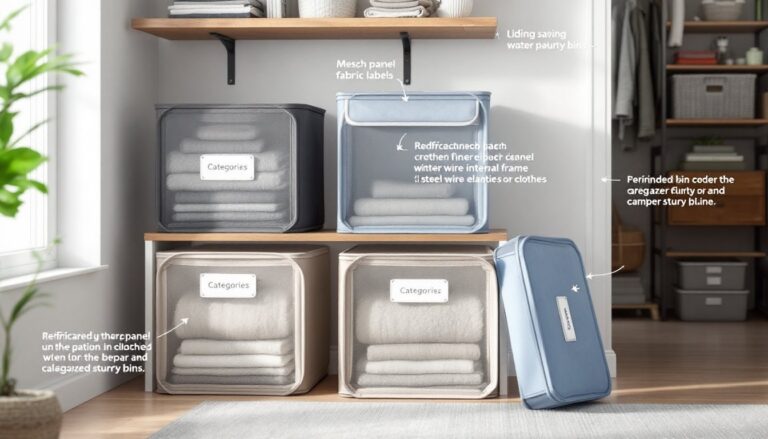
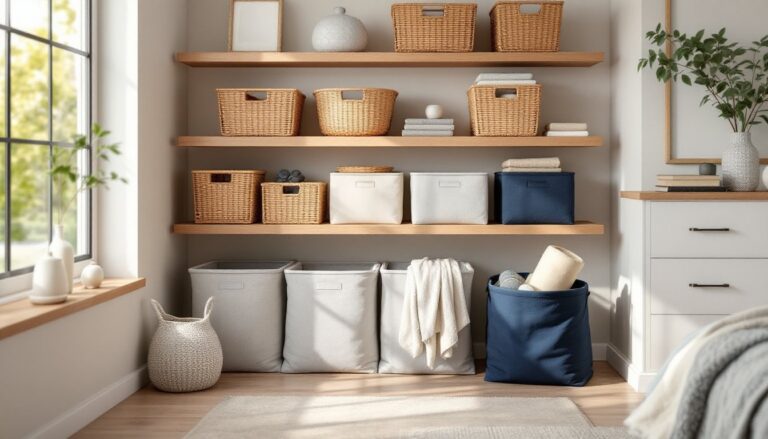
Label and containerize. Use clear plastic bins or fabric boxes that fit your drawer dimensions. Label the outside so you know what’s inside without opening it. Invest in shelf dividers for the headboard section, they prevent books and decor from toppling.
Follow the weight distribution rule. Heavier items go in lower drawers: lighter stuff goes up top. This keeps the frame balanced and makes pulling drawers easier. Don’t overstuff any single drawer: aim for 80% full so items don’t jam.
Separate seasonal storage. Summer clothes go under the bed in off-season: winter bedding does the same. Set a reminder to rotate twice a year so nothing gets forgotten and mildewed.
Think about access frequency. Drawers closest to the foot of the bed work well for items you rarely touch. Reserve easily accessible drawers for things you reach for weekly or monthly.
Install a slim nightstand or shelf above the drawers if the headboard lacks storage. This creates a dedicated spot for a lamp, phone, and water glass without cluttering the shelving.
If you’re building a storage bed from scratch, platforms from woodworking project tutorials and workshop guides show you how to size and reinforce drawers properly. DIY versions often outperform mass-produced options because you can customize depth and materials to your exact needs. Just verify the slat spacing meets your mattress manufacturer’s requirements, most twin XL mattresses need support every 3–4 inches to prevent sagging.