


Table of Contents
ToggleBathroom space is premium real estate in most homes, and that awkward area above the toilet often goes untapped. Whether you’re dealing with a compact powder room or just looking to squeeze more storage from what you’ve got, over the toilet storage solutions have evolved far beyond the basic wire shelf gathering dust. From sleek wall-mounted cabinets to ladder-style racks and DIY builds, there are practical, stylish options to fit almost any layout and budget. This guide walks you through seven proven approaches to maximize that vertical bathroom real estate while keeping your space functional and organized.
Key Takeaways
- Over the toilet storage ideas range from freestanding shelving units and wall-mounted cabinets to DIY builds, offering practical solutions to maximize vertical bathroom space on any budget.
- Proper installation into wall studs using lag bolts or heavy-duty anchors is critical for safety—skipping this step risks collapse, especially with loaded shelves in humid bathroom environments.
- Shelving materials matter: solid metal or bamboo frames outlast particleboard in moisture-prone bathrooms, and adjustable shelves let you customize spacing for rolled towels versus small bottles.
- Ladder-style and rustic storage racks provide an aesthetic alternative to cabinets, requiring stabilizing wall anchors and even weight distribution across rungs to prevent tipping.
- Pair furniture with matching organizers like woven baskets, acrylic bins, and tension rods to multiply storage efficiency, and consider a rolling cart for compact bathrooms where traditional shelving saves walking space.
- DIY over the toilet storage solutions—from floating shelves to custom framed cabinets—let you tailor dimensions and finishes to your space, but always verify stud placement and apply moisture-protective coatings to exposed wood.
Over the Toilet Shelving Units
Over the toilet shelving units remain a solid go-to for straightforward storage. These are freestanding over the toilet storage frames that straddle the tank and anchor to studs behind, offering open shelves for towels, toiletries, and decorative items. Most units come in widths matching standard toilet backs (around 20–27 inches) and stand 60–80 inches tall, so they don’t hit the ceiling.
When selecting a shelving unit, look for adjustable shelves, spacing matters when you’re storing rolled towels versus small bottles. Solid metal or bamboo frames hold weight better than particleboard, especially in humid bathrooms where moisture warps cheaper materials. Check weight ratings: a typical middle-shelf load limit is 25–35 pounds per shelf, but over-stacked units sag fast.
Installation is where it pays to do prep right. Locate wall studs behind the toilet using a stud finder and anchor the unit’s upper bracket directly into the stud with lag bolts (3/8-inch diameter, 3–4 inches long). Skipping the stud and relying on drywall anchors alone risks collapse, especially in older homes with uneven framing. Most units come with hardware: if yours doesn’t, pick up a quality anchor kit rated for your shelf weight.
Wall-Mounted Cabinets and Medicine Cabinets
Wall-mounted cabinets and medicine cabinets bring a cleaner, more finished look than open shelving. Modern over the toilet storage cabinets range from single-door units (holding grooming supplies and medications) to tall, narrow cabinets spanning full height. Recessed medicine cabinets sit flush with the wall, while surface-mounted versions project out slightly, pick based on your clearance and design preference.
Framing matters here. If you’re installing above drywall, use heavy-duty toggle bolts or molly bolts rated for 50+ pounds per fastener. For a permanent install, cut a stud-sized opening and nail the cabinet’s mounting rails directly to the framing. This is more involved but rock-solid.
Doors come with soft-close hinges on quality units, preventing the slam-and-scare moment at 6 a.m. Look for interior shelves with edge banding (reinforced edges that won’t splinter) and pegs or adjustable supports so you can customize layouts. Over the toilet bathroom storage cabinets are especially practical if you store prescription bottles, first aid kits, or items you’d rather keep out of sight from guests.
Ladder-Style Shelves and Rustic Racks
Ladder-style shelves bring a casual, farmhouse vibe while delivering real storage. These tall, narrow frames lean against the wall with horizontal rungs holding baskets or open shelves. They’re lighter than cabinet units and work well in bathrooms where you want a softer aesthetic, think rolled white towels, vintage containers, and potted plants filling the rungs.
Rustic over-the-toilet storage racks offer the same lean-against approach but with industrial touches: metal frames, distressed wood, or pipe-and-wood combos. These suit bathrooms with wood beams, exposed brick, or vintage tile work. Both styles come unassembled, so budget 30–45 minutes for assembly with a drill and standard bits.
Installation Tips and Weight Considerations
Don’t assume leaning shelves are free-standing. Most come with a stabilizing bar that should attach to the wall stud. Skipping this step risks a slow creep or topple, especially if kids bump it or you’re stacking baskets. Use a lag screw (3/8-inch, 2.5 inches) or a heavy-duty wall anchor if studs aren’t available.
Weight limits on ladder-style units typically run 75–150 pounds total, spread across rungs. That’s plenty for stacked towels and baskets but not for a cabinet full of shampoo cases. Distribute weight evenly: don’t load all heavy items on one rung. Test stability before stepping away, a gentle push should show zero movement.
Humidity is the enemy of wood ladder shelves in bathrooms. Choose units with a sealed or stained finish, or plan to recoat annually. Metal frames or metal-and-wood combos handle moisture better if you’re in a steamy climate.
Space-Saving Organizers and Baskets
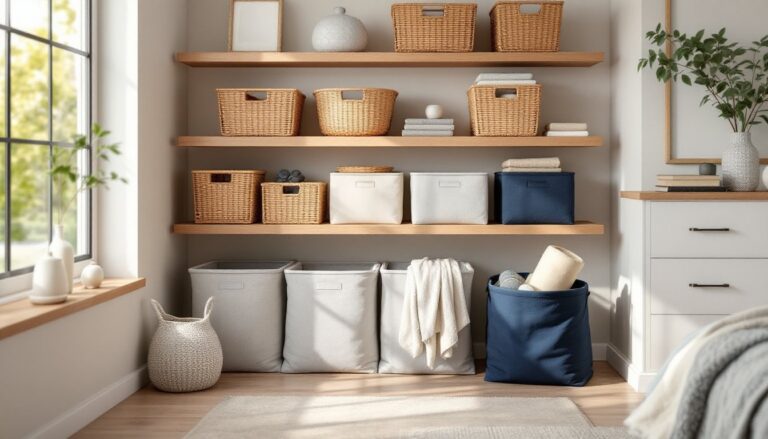
Beyond furniture, bathroom over the toilet storage organizers, woven baskets, acrylic bins, tension rods, and hooks, multiply your real estate. Weave a tension rod between shelves to hang washcloths. Stack baskets on shelves to corral cleaning supplies, extra toilet paper, or guest towels. An over-the-door hanging organizer (if your bathroom door swings outward) holds flat items without eating shelf space.
For best results, pair organizers with the furniture style. Metal frames pair with metal or glass containers: wood shelves look right with woven baskets or wood-toned bins. Clear containers let you see what’s inside without opening: a quick inventory saves trips.
One often-overlooked trick: a narrow rolling cart that fits between toilet and wall. It slides out when you need something, tucks away when you don’t. Works especially well in small bathrooms where traditional shelving would eat walking space. Just confirm clearances before buying, measure your gap and account for caster wheels.
DIY Over the Toilet Storage Solutions
Building your own storage lets you tailor dimensions and finishes to your space. A simple approach: wall-mounted floating shelves anchored directly to studs. You’ll need 1×10 or 1×12 pine or plywood, a level, a stud finder, a drill, and 3/8-inch lag bolts (4 inches long). Cut shelves to fit your wall width, sand smooth, apply primer and two coats of paint or stain, then anchor with shelf brackets rated for your load.
For a more elaborate build, frame a shallow cabinet (6–8 inches deep) from 1×2 lumber using pocket holes or dowels. Face it with 1/4-inch plywood, add a backing board for wall mounting, install interior supports, and hang a frame-and-panel door or barn-style sliding door. This demands a table saw, miter saw, and finishing skills, but the payoff is a modern over the toilet storage cabinet tailored to your exact aesthetic.
Before starting, verify stud spacing with your stud finder and sketch your design to scale. Account for the toilet tank lid (it needs 12–14 inches clearance above). Use drywall anchors rated for moisture, the bathroom environment is harsh, and standard anchors fail when exposed to steam. Apply a clear polyurethane topcoat to any exposed wood for moisture protection.
A practical DIY middle ground: buy a basic frame-and-shelf kit, customize with paint or stain, and upgrade hardware (hinges, knobs) for a polished look. You’re not building from scratch but ending up with a storage solution that feels personal and fits your décor. Many homeowners find this balance between effort and result most rewarding.
Conclusion
Over the toilet storage isn’t an afterthought, it’s an opportunity. Whether you install a ready-made freestanding over the toilet storage unit, wall-mount a sleek cabinet, or build shelves yourself, the goal is the same: turn wasted vertical space into functional storage that matches your style. Start by measuring clearances, assessing wall structure, and defining what you’re storing. Then pick the solution that fits your skill level, budget, and bathroom design. A modest investment in the right storage setup pays dividends in daily organization and that satisfying calm that comes from a clutter-free bathroom.