


Table of Contents
ToggleGetting organized doesn’t have to mean gutting your home budget or settling for eyesores gathering dust in closets. Lowe’s storage bins come in practical shapes, durable materials, and styles that actually work with your home, whether you’re stashing holiday decorations in the garage, keeping kids’ toys corralled in the bedroom, or managing basement clutter. The right bin does more than hide stuff: it protects belongings, keeps moisture and pests out, and makes finding things faster when you need them. In 2026, Lowe’s inventory includes options ranging from industrial-strength plastic totes to decorative fabric containers, so you can pick what fits both your space and your aesthetic without compromise.
Key Takeaways
- Lowe’s storage bins offer durable, practical organization solutions in plastic and decorative fabric options that protect belongings from moisture and pests while keeping items easy to find.
- Medium-sized bins (30–50 quarts) are ideal because they’re large enough to consolidate items but small enough to lift and move comfortably without straining.
- Plastic bins work best for basements, attics, and garages due to moisture and pest resistance, while decorative fabric bins suit visible bedroom and living room spaces.
- Labeling everything clearly with dates and stacking strategically—heavier bins on lower shelves, lighter ones on top—ensures your storage system stays organized and functional long-term.
- Choosing the right Lowe’s storage bin size and material based on location and contents, then maintaining the system consistently, transforms chaotic spaces into organized, functional areas.
Why Lowe’s Storage Bins Are a Smart Home Organization Choice
Storage bins from Lowe’s have a practical advantage over random repurposed boxes or tarps: they’re engineered for durability, stackability, and often come with features like locking lids or transparent sides so you actually know what’s inside. Most people undersell the value of proper storage, they think organization is cosmetic, but it’s structural. A bin that doesn’t seal properly lets moisture and pests damage contents: a wobbly stack invites accidents: a bin you can’t see through sends you hunting through everything when you need one specific item.
Lowe’s bins are competitively priced compared to specialty storage retailers, and because they stock them year-round (plus seasonal surges before major holidays), you can buy when you need them without being stuck with whatever’s on clearance. The selection spans from basic plastic utility bins for garages and basements to decorative options that won’t look out of place in a living room. Whether you’re dealing with a climate-controlled attic or a damp crawlspace, there’s usually a material and price point that fits.
Types of Lowe’s Storage Bins and Their Best Uses
Plastic Bins for Basement and Garage Organization
Heavy-duty plastic storage bins are the workhorses of any organization project. These typically come in sizes ranging from 10 to 110 quarts, with reinforced handles and lockable lids that keep dust and pests out. The translucent or opaque walls let you see contents at a glance, a small feature that saves huge time when you’re hunting for holiday lights in March or last season’s camping gear.
Basement and garage bins face environmental stress: temperature swings, humidity, dust, and the occasional spill. Lowe’s plastic bins hold up to that abuse better than cardboard or fabric, and they’re stackable up to 4 or 5 high safely (check the manufacturer spec, it varies by model). For attics or crawlspaces, ensure the bin has ventilation or airflow around it to avoid trapping moisture, which degrades both bin and contents.
Decorative Bins for Living Spaces and Bedrooms
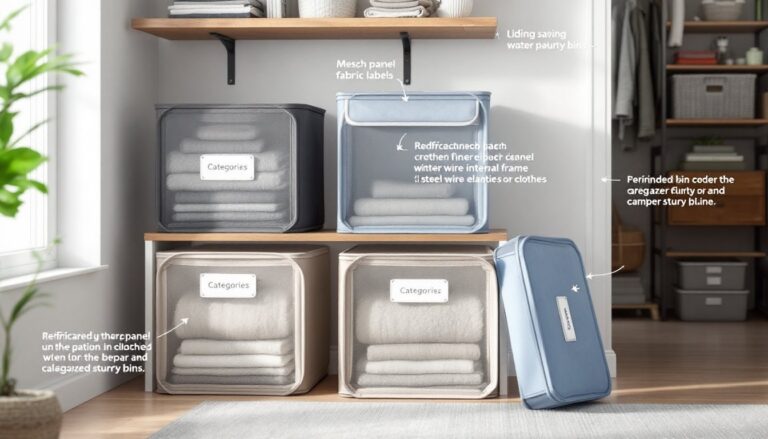
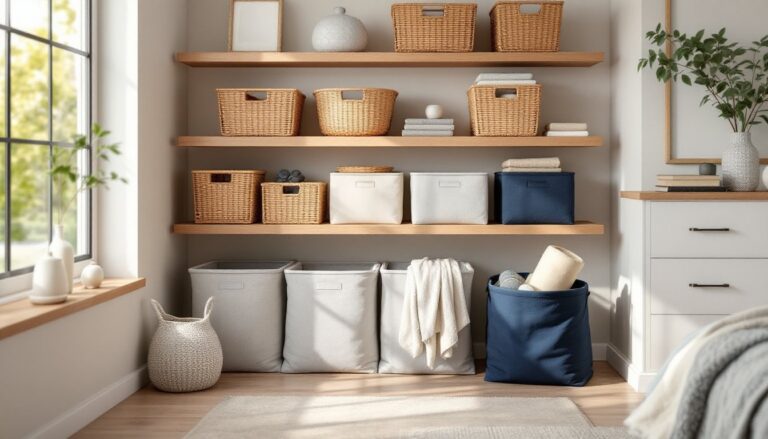
Not every storage solution lives in the garage. Decorative fabric or woven bins work in bedrooms, living rooms, and home offices without screaming “storage crisis.” Lowe’s carries options in neutral tones, patterns, and finishes that coordinate with modern, farmhouse, or eclectic décor. These bins typically lack rigid lids, so they’re not ideal for long-term humidity-sensitive storage, but they excel at organizing throw blankets, pillows, books, or kids’ toys in visible spaces.
One honest note: fabric bins don’t offer the same pest protection as sealed plastic. If you’re in an area with rodent or insect issues, keep decorative bins elevated off the floor and inspect them regularly. For year-round use in living spaces, they’re excellent: for long-term basement or attic storage, stick with plastic.
How to Choose the Right Storage Bin Size and Material
Bin sizing is where most people go wrong. A massive bin sounds efficient, fewer bins, less clutter, but it becomes so heavy when full that you can’t move it, or you stuff unrelated items together and lose track of what’s where. A good rule: if you can’t comfortably lift it with one hand (or two hands without straining), it’s too large for practical use. Medium bins (around 30–50 quarts) hit a sweet spot: large enough to consolidate like items but small enough to handle and move without help.
Material choice depends on location and contents. Plastic bins work everywhere and resist moisture and pests: they’re the default for basements, attics, and garages. Fabric or woven bins suit bedroom closets, visible shelves, and living rooms where appearance matters. If you’re storing sentimental items, photos, or anything sensitive to temperature swings, upgrade to a bin with a gasket seal or one rated for archival storage.
Measure your shelf height and available floor space before buying. A bin that’s technically the right size but leaves no room to slide things around defeats the purpose. You can also integrate Lowe’s bins into budget-friendly storage solutions that maximize vertical space and reduce wasted square footage in closets or shelves.
Smart Organization Tips for Maximizing Your Storage Space
Buying the right bins is half the battle: the other half is actually using them. Label everything clearly, use a label maker or masking tape and marker, so you don’t end up with “mystery bins” that no one opens. Include a date if the contents are seasonal: that tells you at a glance whether you should grab that bin for holiday décor in November or leave it untouched.
Stack strategically. Heavier bins go on lower shelves: lighter ones on top. Leave small gaps between bins for air circulation, especially in damp spaces. If you’re stacking in a garage or basement, put a thin rubber mat between layers to prevent plastic-to-plastic friction that can degrade the material over time.
Consider dividing large categories into smaller, labeled bins instead of one catch-all. One massive “kids’ stuff” bin forces you to dig through winter clothes to find summer toys. Split it: one for off-season clothing, one for toys, one for books. It’s more bins, but retrieval is faster and you’re less likely to waste contents when consolidating.
For frequently accessed items, like craft supplies or seasonal décor you use every year, place bins on eye-level shelves or the front of storage areas. Reserve hard-to-reach spaces for items you access once every 1–2 years. You can also explore storage containers guides to learn advanced organization strategies and how different container types integrate into a cohesive system.
If you’re dealing with moisture-prone spaces, add small desiccant packets or silica gel to bins to absorb excess humidity: replace them yearly or when saturated. For long-term archival storage, resources like Martha Stewart and Apartment Therapy offer detailed guidance on climate control and material compatibility. Organizations like The Spruce also provide comprehensive strategies for whole-home organization using storage systems that blend function with aesthetics.
If you’re buying plastic bins specifically for basement or garage use, clear or translucent options are worth the small premium over opaque versions. Being able to see contents without opening the bin cuts retrieval time and reduces the temptation to open “just a quick peek.” You can also find competitive pricing through best storage prices guides that identify sales and promotions across retailers.
Conclusion
Lowe’s storage bins, whether sturdy plastic totes for the basement or decorative fabric containers for the bedroom, transform chaotic spaces into organized, functional areas. The key is matching bin size, material, and placement to your actual needs, then maintaining the system with clear labels and thoughtful stacking. Start small, test what works, and scale up. Good organization isn’t a weekend project: it’s a system you live with, so make choices based on what you’ll actually use and maintain, not what looks good in a magazine.